
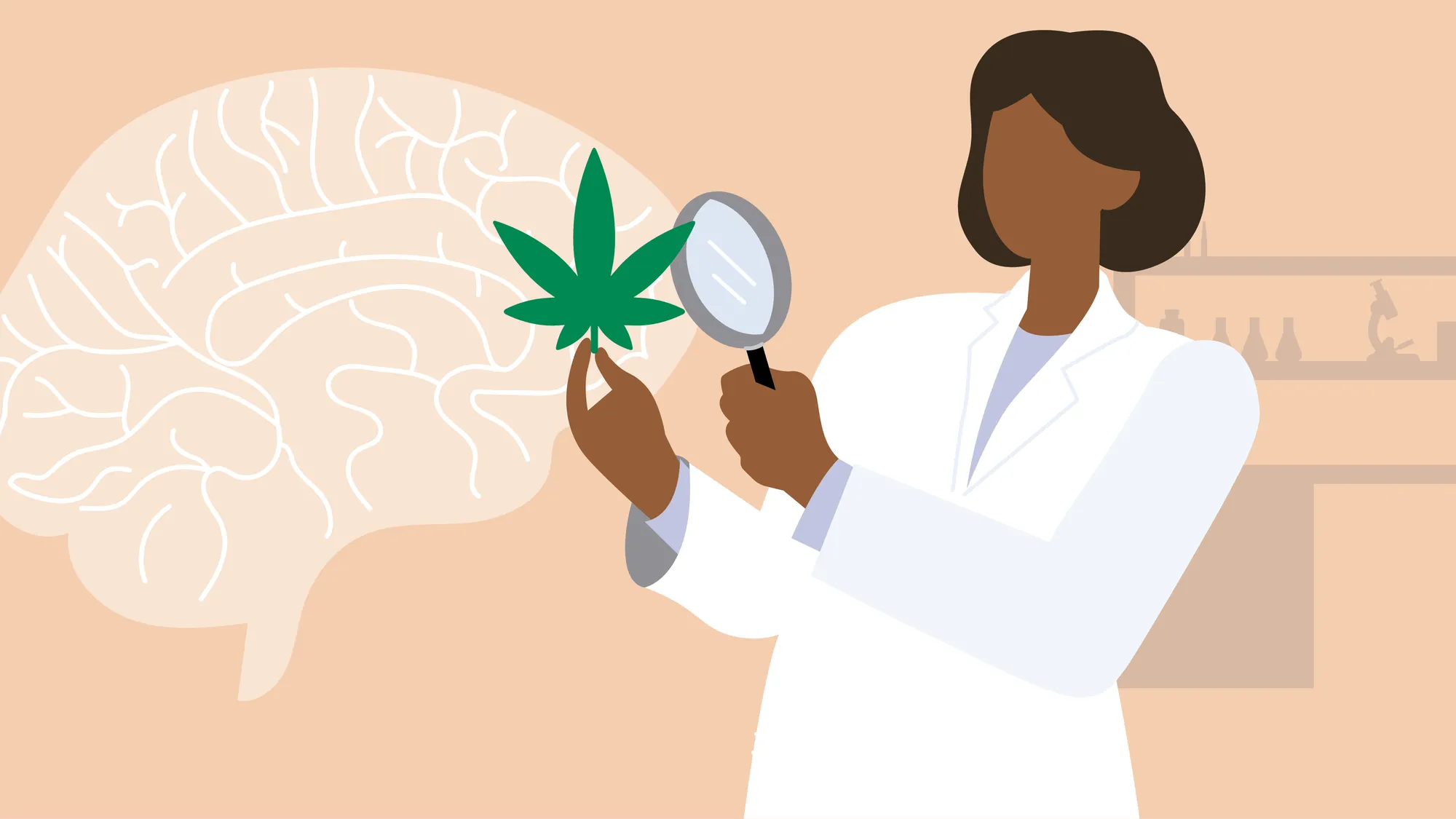

Can Cannabis Help Anxiety?
Can Cannabis Help Anxiety? A Comprehensive Guide to Understanding the Connection (2026 Update)
Anxiety is one of the most pervasive mental health challenges of our time. From the nagging worry of Generalized Anxiety Disorder (GAD) to the sudden, overwhelming grip of panic attacks, millions of Canadians navigate their days with a heightened sense of unease. As the conversation around mental health evolves, so does the interest in natural alternatives to traditional pharmaceuticals. At the forefront of this conversation is cannabis.
But the relationship between cannabis and anxiety is complex. For some, a few puffs of a joint provide instant relief, melting away stress like snow in spring. For others, that same joint can trigger a spiral of paranoia and increased heart rate. So, what is the truth? Can cannabis actually help anxiety, or does it make it worse?
This comprehensive guide explores the science, the nuances of cannabinoids like CBD and THC, and the practical steps you can take to use cannabis safely and effectively for mental well-being.
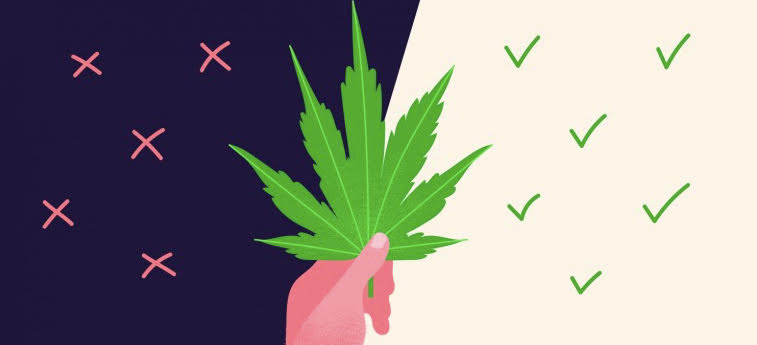
Finding the balance: Understanding when cannabis helps anxiety versus when it might hinder progress.
The Science: Your Brain on Cannabis
To understand how cannabis affects anxiety, we first need to look at the Endocannabinoid System (ECS). Discovered in the 1990s, the ECS is a vast network of receptors (CB1 and CB2) found throughout your body and brain. Its primary job is homeostasis—keeping your body in a state of balance. It regulates sleep, appetite, pain, and crucially, mood and stress responses.
Your body naturally produces its own cannabinoids (endocannabinoids) like anandamide, often called the “bliss molecule.” When you are chronically stressed or anxious, scientists believe your ECS may be depleted or functioning poorly. This is where phytocannabinoids (cannabinoids from plants) come in.
When you consume cannabis, compounds like THC (tetrahydrocannabinol) and CBD (cannabidiol) bind to or influence these receptors, potentially helping to restore balance and dampen the brain’s “fight or flight” response.
The Tale of Two Cannabinoids: THC vs. CBD
The most critical factor in whether cannabis helps or hurts anxiety lies in the difference between its two main chemical compounds.
THC: The Double-Edged Sword
THC is the psychoactive compound responsible for the “high.” When it comes to anxiety, THC exhibits what scientists call a biphasic effect.
Low Doses: At low doses, THC can increase serotonin levels, leading to relaxation, euphoria, and stress relief.
High Doses: At high doses, THC can overstimulate the amygdala (the brain’s fear center), leading to paranoia, racing thoughts, and panic.
For many anxiety sufferers, high-THC strains are risky unless dosed very carefully.
CBD: The Anxiolytic Powerhouse
CBD (Cannabidiol) is the non-intoxicating cousin of THC. It has gained massive popularity in recent years precisely because it offers relief without the “high.” Research suggests CBD works by boosting the body’s own endocannabinoids and interacting with serotonin receptors (specifically 5-HT1A), much like how SSRI antidepressants work, but with a different mechanism and speed. CBD is widely used for:
Social Anxiety
General stress and tension
Sleep disruptions caused by racing thoughts
For those strictly seeking anxiety relief without intoxication, CBD Oils or CBD Edibles are often the recommended starting point.
The “Entourage Effect”: Why Terpenes Matter
Cannabis is more than just THC and CBD. It contains aromatic oils called terpenes, which give the plant its smell and flavor. Terpenes play a massive role in the effect a strain will have on your anxiety. This synergy is known as the Entourage Effect.
If you are shopping for anxiety relief, look for strains rich in these specific terpenes:
Linalool: Also found in lavender. It is known for its potent calming and sedative effects.
Limonene: Found in citrus peels. It is known to elevate mood and reduce stress.
Myrcene: Found in mangoes and hops. It is responsible for the “couch-lock” effect and deep muscle relaxation.
Caryophyllene: Found in black pepper. It is unique because it acts like a cannabinoid, binding to CB2 receptors to reduce inflammation and anxiety.
Sativa vs. Indica: Choosing the Right Strain
While the terms “Indica” and “Sativa” are becoming less biologically accurate as hybridization grows, they are still useful shorthand for predicting effects.
Indica Strains: generally associated with full-body relaxation (“in-da-couch”). These are usually preferred for anxiety, especially evening anxiety or insomnia. Strains like Granddaddy Purple or Bubba Kush are classic choices.
Sativa Strains: associated with cerebral energy and focus. While great for depression, some potent Sativas (like Green Crack or Durban Poison) can be too stimulating for someone with high anxiety, potentially triggering jitters or racing thoughts.
Hybrid Strains: A balanced hybrid can offer the best of both worlds—mental uplift with physical grounding.
Methods of Consumption for Anxiety
How you consume cannabis determines how quickly relief arrives and how long it lasts.
1. Inhalation (Smoking/Vaping)
Pros: Instant onset (1-5 minutes). This is crucial for panic attacks or acute stress where you need immediate relief.
Cons: Short duration (1-3 hours). Smoke can irritate lungs.
Best For: Sudden onset anxiety.
2. Sublingual Tinctures (Oils)
Pros: Fast absorption (15-30 minutes) if held under the tongue. Easy to measure precise doses.
Cons: Taste can be earthy (though flavored options exist).
Best For: Daily maintenance and baseline stress reduction. A product like a CBD Tincture is ideal here.
3. Edibles
Pros: Long-lasting relief (6-8 hours). No smoke.
Cons: Slow onset (30-90 minutes). Difficult to dose for beginners (the “edible delay” often leads to taking too much).
Best For: Long-term relief, specifically for sleep-related anxiety.
Decoding the science: How cannabinoids interact with your brain’s unique chemistry to manage stress.
The Risks: Can Cannabis Make Anxiety Worse?
It is important to be transparent: cannabis is not a cure-all.
Paradoxical Effects: As mentioned with THC, taking too much can induce the very symptoms you are trying to cure.
Dependency: Relying solely on cannabis to cope with emotions can lead to psychological dependency. It should be a tool in a toolkit, alongside therapy, exercise, and lifestyle changes.
Drug Interactions: CBD can interact with certain medications (like blood thinners) by inhibiting liver enzymes. Always consult a doctor if you are on medication.
A Protocol for Success: “Start Low, Go Slow”
If you decide to try cannabis for anxiety, follow this harm-reduction protocol:
Start with CBD: Begin with a high-CBD, low-THC product. A 1:1 ratio (equal parts CBD and THC) is often the “sweet spot” for many, providing the mood lift of THC with the calmness of CBD.
Microdose: You do not need to get “stoned” to treat anxiety. A microdose (2.5mg – 5mg of THC) is often enough to take the edge off without impairing your cognitive function.
Track Your Strains: Keep a journal. Note which strains help and which ones make you jittery.
Set and Setting: Consume in a safe, comfortable environment, especially the first time.
Conclusion: Is Cannabis Right for You?
The answer to “can cannabis help anxiety?” is a resounding yes, but… It depends on the person, the product, and the dose. For many, it allows them to unclench their jaw, lower their shoulders, and breathe easier for the first time in days. For others, it’s not the right fit.
By focusing on education, choosing the right Indica or High-CBD strains, and respecting the plant’s potency, you can navigate the world of cannabis wellness with confidence.
Disclaimer: This article is for informational purposes only and does not constitute medical advice. Always consult with a healthcare professional before starting any new treatment.