
How to Take a Cannabis Tolerance Break in 2026: The Complete Reset Guide

How to Take a Cannabis Tolerance Break in 2026: The Complete Reset Guide
The Last Bowl Just Doesn’t Hit the Same?
If you’ve been smoking the same amount of weed and feeling less and less of it, you’re not imagining things — you’re tolerant. The good news: a cannabis tolerance break (T-break) can completely reset your endocannabinoid system in as little as 21 days. This guide walks you through the science of why tolerance builds, how long your reset should last, exactly what to expect day-by-day, and how to come back stronger without wasting the work. By the end, you’ll have a clear, evidence-based protocol for getting your high back — without spending a single extra dollar on stronger product.
What Is a Cannabis Tolerance Break?
A cannabis tolerance break — often called a “T-break” — is a deliberate, temporary pause from THC that allows your body’s CB1 receptors to recover their normal density and sensitivity. After consistent cannabis use, those receptors downregulate, meaning the same dose produces noticeably less effect. A T-break reverses the process. Whether you smoke flower, dab concentrates, or microdose, the principle is identical: stop THC, let your receptors restore, and the next session feels like the first time all over again. It’s the cheapest, fastest, most reliable way to make cannabis feel new again, and there’s no replacement for it.
Why Your Weed Tolerance Builds (The Science)
THC binds to CB1 receptors in your brain. With repeated daily exposure, your brain protects itself by reducing the number of available CB1 receptors — a process called downregulation. A landmark 2012 PET imaging study from the National Institute of Mental Health found that chronic daily cannabis users had roughly 20% fewer cortical CB1 receptors than non-users. The effect is real, measurable, and reversible. In other words: tolerance isn’t in your head, it’s in your synapses — and the only way to fix it is to stop feeding the receptors what they’ve adapted to.
How Long Does CB1 Recovery Take?
The same NIMH study tracked daily users through abstinence and showed CB1 receptor density returned to baseline after about four weeks of zero THC. Most of the recovery happens in the first 7–10 days, which is why even a one-week pause produces a noticeably stronger high. A 2016 follow-up published in Biological Psychiatry confirmed the rapid early rebound: meaningful CB1 availability is restored within 48 hours of stopping — a useful piece of trivia for anyone who “just needs the weekend.”
Signs It’s Time for a T-Break
You probably need a tolerance break if you’ve noticed any of these:
- Your usual amount no longer gets you high.
- You’re using more product to feel the same effects — and your bill is climbing.
- The “ceiling” feels low — even premium AAA+ flower feels muted.
- You wake up and reach for cannabis before doing anything else.
- Your sleep, appetite, or focus feels worse on cannabis than it used to.
- You’re burning through product faster than your budget can keep up with.
How Long Should a Tolerance Break Last?
There’s no universal answer — it depends on how much you use, what you use, and what you’re trying to reset. Here are the three most common protocols, ranked from easiest to most effective.
The 48-Hour Reset (Mini-Break)
Best for occasional users or anyone who wants a quick “weekend reset” before a special session. You’ll feel a stronger high after just two days off, especially if you’re a light flower-only user. It won’t fully restore receptor density, but it’s noticeably better than nothing.
The 7-Day T-Break
The most popular middle-ground. Most CB1 sensitivity returns within a week, and you’ll likely feel close to your “first-time” experience without giving up cannabis for a full month. This is the sweet spot for daily flower, hash, or vape users who want real benefit without committing to a month off.
The 21–28-Day Full Reset
The gold standard. Backed by the 2012 NIMH receptor-imaging research, this is the only timeline shown to fully restore CB1 receptor density to baseline. Recommended for heavy daily concentrate, dab, or live resin users. Yes, it’s long. No, nothing else gives you the same result.
How to Survive a Cannabis Tolerance Break (Day-by-Day)
Day 1–3: The Hardest Part
Most withdrawal symptoms — irritability, restlessness, vivid dreams, reduced appetite, mild night sweats — peak in the first 72 hours. A 2020 review published in JAMA Network Open found these symptoms affect roughly 47% of regular cannabis users during cessation but resolve within 1–2 weeks. Drink water, get to bed early, and remove visible cannabis from your space — out of sight, out of mind makes a real difference.
Days 4–10: Sleep, Appetite & Mood
Vivid dreams continue (your REM cycles are rebounding after months or years of THC suppression). Hunger usually returns by day 5. Mood stabilizes near day 7. Many users report a noticeable mental clarity by the end of the first week — the “weed fog” lifts and short-term memory sharpens.
Week 2 and Beyond
Smooth sailing. By day 14 most physical symptoms are gone and CB1 receptors are well into recovery. By day 21 you’re functionally reset. Many people report dreaming more vividly, sleeping deeper, and waking up sharper than they have in years.
What to Do Instead of Smoking
Exercise
Twenty minutes of daily cardio is one of the only proven ways to release a small amount of stored THC from fat cells, accelerating clearance and improving mood — a free, drug-free dopamine substitute that doubles as a reset accelerator.
CBD-Only Alternatives
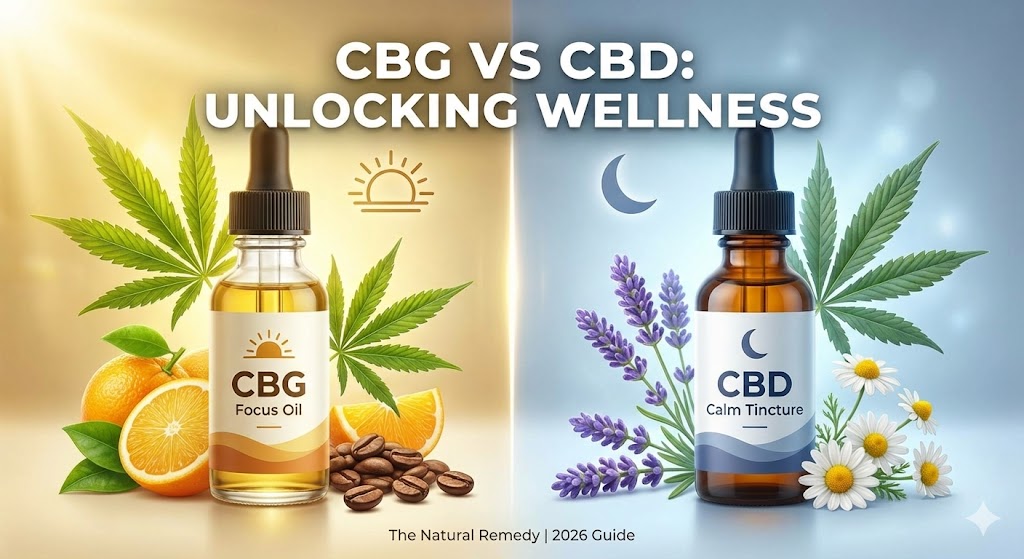
CBD does not bind to CB1 receptors, so it doesn’t sabotage your reset. Many users keep their evening ritual using TNR’s CBD oils for sleep and anxiety without breaking the T-break. It’s the closest you’ll get to “cheating” without actually cheating.
Functional Mushrooms
Lion’s Mane, Reishi, and Cordyceps don’t touch the endocannabinoid system. Browse our mushroom collection for cognition, focus, and stress support during your break — a popular swap for people who miss having an evening “ritual.”
How to Come Back After a T-Break (Without Wasting It)
Coming back hard on day 22 is how people unwind 21 days of work in one weekend. Protect your reset:
- Start with a quarter of your old dose. Seriously — a quarter.
- Choose flower over concentrates for the first session. The lower THC ceiling makes overshooting harder.
- Wait 30 minutes between hits. Tolerance returns faster than you think.
- Build in a 1-day-on, 2-days-off rotation for the first month to extend the benefit.
If you want to celebrate properly, a small amount of premium AAAA hash or a single fresh joint of AAA+ flower is more than enough — and it’ll hit harder than anything you remember.
Common T-Break Mistakes That Sabotage Your Reset
Even motivated people slip up. The four most common ways to waste a tolerance break:
- “Just one puff” cheating. A single hit is enough to occupy CB1 receptors and partially reset your reset. There’s no halfway here.
- Switching to dabs or strong edibles after Day 21. The new high feels incredible — for two days. Then your tolerance climbs faster than before because your receptors are extra sensitive.
- Replacing weed with daily alcohol. Trading one nightly habit for another doesn’t fix the underlying ritual problem; it just relocates it.
- Skipping the post-break taper. Going from zero to your old daily amount in week one is the single biggest reason people end up needing another T-break two months later.
Tolerance Break FAQ
Will CBD affect a tolerance break?
No. CBD does not bind to CB1 receptors and does not interfere with downregulation recovery, according to peer-reviewed pharmacology research. You can use CBD oil, gummies, or tincture throughout your break without losing progress.
Can I microdose during a T-break?
Microdosing THC still activates CB1 receptors, so technically yes, it slows recovery. However, microdosing psilocybin or functional mushrooms is fine — they don’t share receptor pathways and won’t affect your reset.
Will I pass a drug test after a 21-day T-break?
Possibly — but it depends on your body fat percentage, frequency of past use, and the test type. Heavy daily users may test positive for 30+ days because THC metabolites are stored in fat. Urine tests detect longest, saliva tests shortest.
Is a tolerance break dangerous?
No. Cannabis withdrawal is uncomfortable but not medically dangerous for healthy adults. If you have a history of mental health conditions, consult your physician before stopping abruptly.
The Bottom Line
A cannabis tolerance break is the cheapest, fastest, most effective way to make weed feel new again. Whether you commit to 48 hours or a full 28 days, you’ll come back with a stronger high, lower spend, and a reset relationship with your stash. When you’re ready to celebrate, The Natural Remedy carries the AAAA+ flower, hash, and extracts that make day 22 unforgettable.
Sources
- Hirvonen J. et al. “Reversible and regionally selective downregulation of brain cannabinoid CB1 receptors in chronic daily cannabis smokers.” Molecular Psychiatry, 2012. nature.com/articles/mp201182
- D’Souza DC et al. “Rapid changes in CB1 receptor availability in cannabis dependent males after abstinence from cannabis.” Biological Psychiatry: CNNI, 2016. pubmed.ncbi.nlm.nih.gov/26858993
- Bahji A. et al. “Prevalence of Cannabis Withdrawal Symptoms Among People With Regular or Dependent Use of Cannabinoids.” JAMA Network Open, 2020. jamanetwork.com
- National Institute on Drug Abuse. “Cannabis (Marijuana) Research Report.” NIDA, 2024. nida.nih.gov
- Health Canada. “About cannabis.” Government of Canada, 2024. canada.ca