


How to Tell the Quality of Hash
How to Tell the Quality of Hash
Not all hash is created equal. From soft, sticky Afghan bricks to golden Moroccan blocks, the quality of hash can vary drastically depending on its origin, process, and freshness. For cannabis enthusiasts, knowing how to tell the difference between top-shelf and low-grade hash is key to getting your money’s worth.
Whether you’re buying imported hash or local craft varieties in Canada, learning to recognize signs of premium quality will help you choose products that deliver the best aroma, potency, and overall experience.
This guide breaks down everything you need to know — from texture and color to smell, taste, and effects — with examples of some of the best hash available at The Natural Remedy.

Recognizing high-quality hash starts with its color, texture, and aroma.
What Is Hash and Why Quality Matters
Hash, short for hashish, is a concentrated form of cannabis made by separating and compressing the plant’s trichomes — the tiny resin glands that hold THC, CBD, and aromatic terpenes. The process can involve hand-rubbing, sieving, or modern ice-water extraction methods.
The quality of hash determines more than just potency. High-grade hash offers:
A smooth, flavorful smoke
Even burn without harshness
Strong, long-lasting effects
Distinct aroma reflecting the strain’s terpenes
Lower-quality hash, on the other hand, often feels dry, burns unevenly, and can taste bitter or chemical-like due to contamination or poor curing.
Step 1: Examine the Texture
One of the easiest ways to identify good hash is by touch.
High-Quality Texture:
Premium hash is usually soft, malleable, and slightly sticky when warm. It should bend without breaking and roll smoothly between your fingers. This indicates a healthy resin content and proper curing.
For example, Phoenix Hash from TNR features a dense yet pliable body that becomes oily when gently heated — a hallmark of fresh, resin-rich hash.
Low-Quality Texture:
Dry, crumbly, or overly hard hash suggests old material or poor storage. Inconsistent chunks with visible plant matter often mean the hash wasn’t pressed well or contains unwanted material like stems or leaf fragments.
Some hash makers intentionally press harder for transport, but once broken open, the inside should still reveal a soft, waxy texture — not powdery dryness.
Step 2: Check the Color
Color is one of the most telling visual indicators of quality. It can vary based on the strain and region, but consistency matters more than exact shade.
High-Quality Hash Colors:
Afghan or Indian hash – dark brown or black exterior with a lighter, golden-brown core.
Lebanese hash – red or yellow tint with a clay-like texture.
Moroccan hash – golden, tan, or light brown, often crumbly and aromatic.
Good hash should appear uniform in color throughout the piece. When you pull it apart, you might see a slight gradient — darker on the outside (oxidized resin) and lighter within. That’s a good sign.
Products like Red Lebanese Hash and Ketama Gold Hash from TNR showcase perfect color contrast — rich, earthy hues that reflect careful curing and minimal oxidation.
Low-Quality Hash Colors:
Avoid hash that looks pale gray, greenish, or has visible impurities. These colors suggest plant contamination or low trichome concentration. Black hash that feels dry or chalky instead of sticky often means it’s been overheated or adulterated.
Step 3: Smell the Aroma
The smell test never fails. High-quality hash always has a strong, pleasant, and strain-specific aroma.
What Good Hash Smells Like:
Earthy, spicy, and musky notes from Afghani or Indian hash.
Sweet and floral tones in Lebanese varieties.
Woody, herbal, and citrusy aromas in Moroccan hash.
You should detect a natural, pungent cannabis scent that intensifies when gently warmed between your fingers.
A great example is Mazar-E-Sharif Hash — known for its sweet-spice fragrance and dense terpene profile that becomes even richer when heated.
What Bad Hash Smells Like:
If the hash smells like rubber, plastic, or chemicals, it may have been cut with synthetic substances or stored improperly. A musty or moldy odor is another red flag, indicating moisture damage or microbial contamination.
Step 4: Observe the Bubble Test
A classic and effective test for hash purity is the bubble test.
Here’s how to do it:
Break off a small piece of hash.
Hold it over a lighter flame without touching the flame directly.
Watch how it reacts.
Signs of High-Quality Hash:
If it bubbles and melts slowly, releasing a clean smoke and strong scent, it’s loaded with resin — meaning it’s rich in cannabinoids and terpenes. This is often called “full melt” or “half melt” quality.
Signs of Low-Quality Hash:
If it burns without bubbling or gives off black, sooty smoke, it likely contains too much plant matter or impurities. Poor-quality hash often chars quickly and leaves behind dark residue.
When testing premium imports like Afghani Chatral Hash, you’ll notice the clean, oily melt that signifies top-tier resin extraction.
Step 5: Feel the Stickiness
A little stickiness is good — it means the hash contains fresh oils and terpenes. When pressed lightly, it should feel tacky but not greasy or overly wet.
Sticky hash = fresh and full of cannabinoids.
Dry hash = aged or oxidized.
Greasy hash = possibly contaminated or made from low-quality trim.
The ideal hash should soften slightly in your hand, releasing a faint aroma as it warms. Products like Flower of Beqaa Hash have that perfect resin-rich feel without being messy.
Step 6: Evaluate the Taste and Smoke
When smoked or vaped, quality hash should taste natural, smooth, and flavorful. It should never burn your throat or leave a chemical aftertaste.
High-Quality Taste:
Smooth inhale and exhale
Flavor matches the aroma
Slow, even burn
Low-Quality Taste:
Harsh, bitter, or plasticky flavor
Uneven burn or black ash
Chemical aftertaste
You can enjoy premium hash like Nirvana Hash for its mellow, balanced flavor that leaves no harshness behind — perfect for both solo and social sessions.
Step 7: Check for Clean Ash
A clean burn always leaves light gray or white ash. Dark black ash indicates impurities such as residual plant matter, solvents, or even additives.
High-quality hash from The Natural Remedy consistently produces clean, even ash due to its purity and curing standards.
Step 8: Assess the Effects
While the physical characteristics matter, the ultimate test is how it feels.
Premium Hash Effects:
Starts with a light cerebral buzz followed by a deep body relaxation
Long-lasting high without grogginess
Clear, calming mental state
Inferior Hash Effects:
Weak or short-lived buzz
Harsh head high followed by fatigue
Possible headaches due to contaminants
Each hash strain has its personality. Afghan imports deliver sedative relaxation, while Lebanese varieties tend to be more uplifting and creative. Testing small amounts of each helps you find your preferred balance.
How to Store Hash and Preserve Quality
Even the best hash loses its flavor and potency if not stored correctly. Keep it away from heat, light, and moisture.
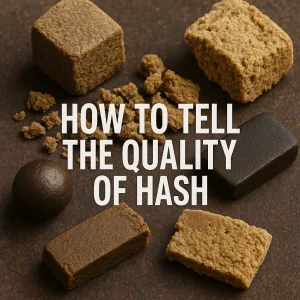
Comparing textures and shades helps identify top-tier hash versus low-quality batches.
Ideal Storage Tips:
Store in airtight glass jars or silicone containers.
Keep in a cool, dark place — around 15–20°C.
Avoid plastic bags, which trap static and can degrade resin.
For long-term storage, wrap your hash in parchment and seal it in an airtight jar. Proper care keeps its aroma and strength intact for months.
You can grab quality storage containers from The Natural Remedy Accessories section to keep your stash fresh and potent.
Comparing Imported vs. Domestic Hash
Canada’s cannabis market offers a mix of imported hash and locally crafted options.
Imported Hash:
Made using traditional hand-pressed methods in regions like Afghanistan, Morocco, and Lebanon.
Known for their heritage flavors and dense resin content.
Examples include Red Lebanese Hash and Mazar-E-Sharif Hash.
Domestic (Craft) Hash:
Produced using modern methods like dry-sifting or ice-water extraction.
Cleaner and often more potent due to controlled environments.
Examples include Phoenix Hash and Nirvana Hash — both made to meet the highest quality standards.
Quick Checklist for Identifying Good Hash
| Feature | High Quality | Low Quality |
|---|---|---|
| Texture | Soft, oily, malleable | Dry, crumbly, chalky |
| Color | Brown to golden inside | Green, gray, or uneven |
| Aroma | Rich and natural | Musty, chemical, or faint |
| Bubble Test | Bubbles slowly, melts clean | Burns fast, leaves soot |
| Stickiness | Slightly tacky, resinous | Overly greasy or dry |
| Taste | Smooth, earthy, strain-like | Harsh, bitter |
| Ash | Light gray or white | Black or flaky |
| Effects | Balanced, long-lasting | Weak or unpleasant |
Final Thoughts
Learning how to tell the quality of hash takes practice, but once you know what to look for, spotting the good stuff becomes second nature.
High-quality hash should look clean, feel pliable, smell aromatic, and burn evenly — delivering a smooth, potent experience from start to finish.
Whether you prefer traditional imports or modern craft options, you’ll find top-grade selections at The Natural Remedy. From rich, earthy Afghan classics like Afghani Chatral Hash to golden Moroccan favorites like Ketama Gold Hash, each option is carefully curated to ensure you get true quality in every gram.
Because when it comes to hash, quality isn’t just about strength — it’s about craftsmanship, aroma, and authenticity.