

Mushroom Microdosing Schedule 2026: Stamets, Fadiman & Nightly Protocols Compared

Mushroom Microdosing Schedule 2026: Stamets, Fadiman & Nightly Protocols Compared
TL;DR — The three most-used mushroom microdosing schedules are the Fadiman Protocol (dose every 3 days), the Stamets Stack (4 days on, 3 days off), and Nightly Microdosing (every evening for sleep). A microdose is typically 0.1–0.3 g of dried Psilocybe cubensis — about 1/10 of a recreational dose. Schedules differ in tolerance management and reported effects.
Last updated: May 26, 2026 · Educational guide. Psilocybin is a Schedule III controlled substance in Canada.
Mushroom Microdosing Schedule 2026
What is mushroom microdosing?
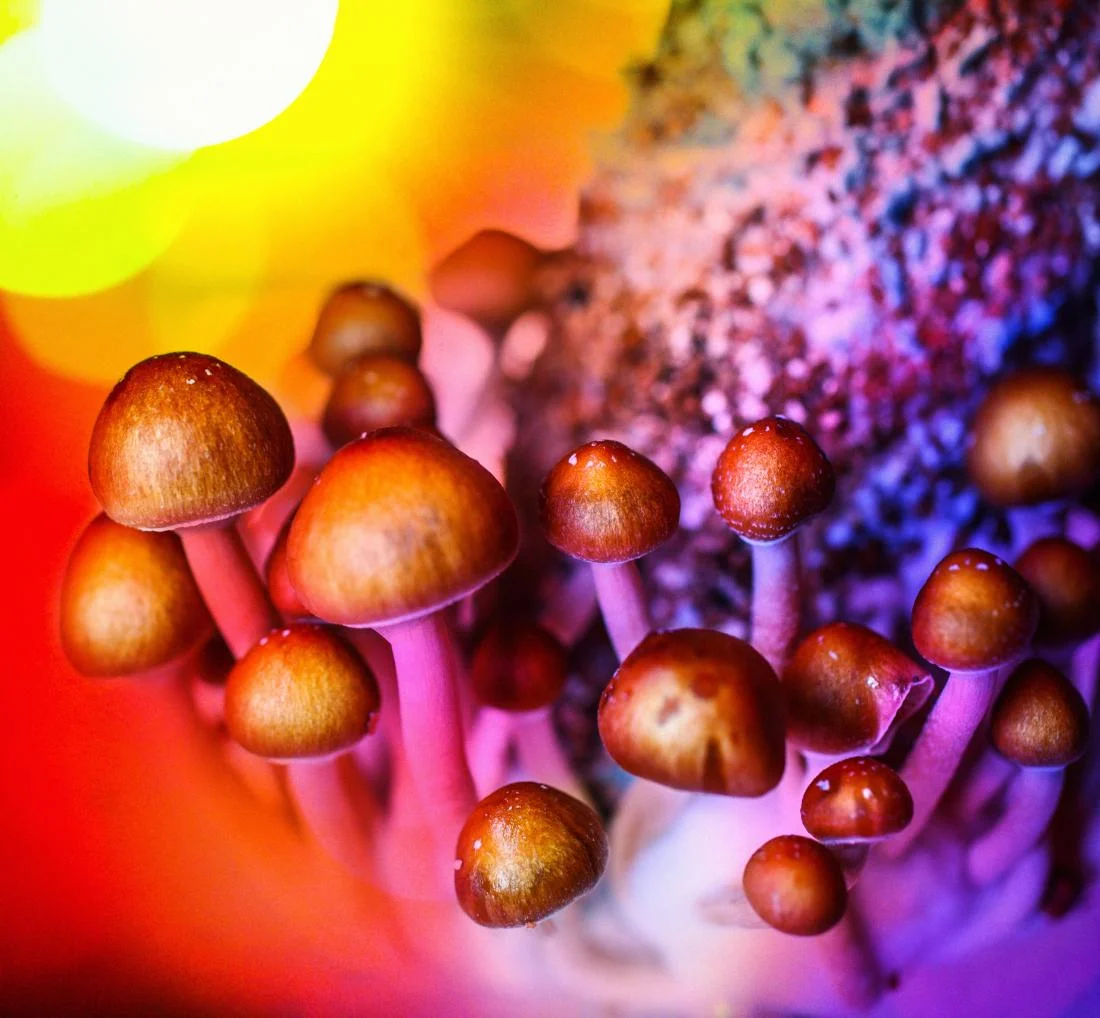
Microdosing is the practice of taking sub-perceptual doses of a psychedelic — a dose small enough that you don’t feel “tripping,” but large enough that some users report subtle shifts in mood, focus, creativity, or sleep quality. For psilocybin mushrooms, the standard microdose is 0.1–0.3 g of dried Psilocybe cubensis, compared with a recreational dose of 2–3.5 g and a heroic dose of 5 g+.
The practice was popularized by psychedelic researcher Dr. James Fadiman in his 2011 book The Psychedelic Explorer’s Guide, and by mycologist Paul Stamets, who developed his own variation in the mid-2010s. As of 2026, microdosing is studied by research institutions including Imperial College London, Johns Hopkins, and the University of Toronto, though randomized trials have shown mixed results.
What’s a typical microdose by mushroom species?
| Species | Typical Microdose | Recreational Dose | Notes |
|---|---|---|---|
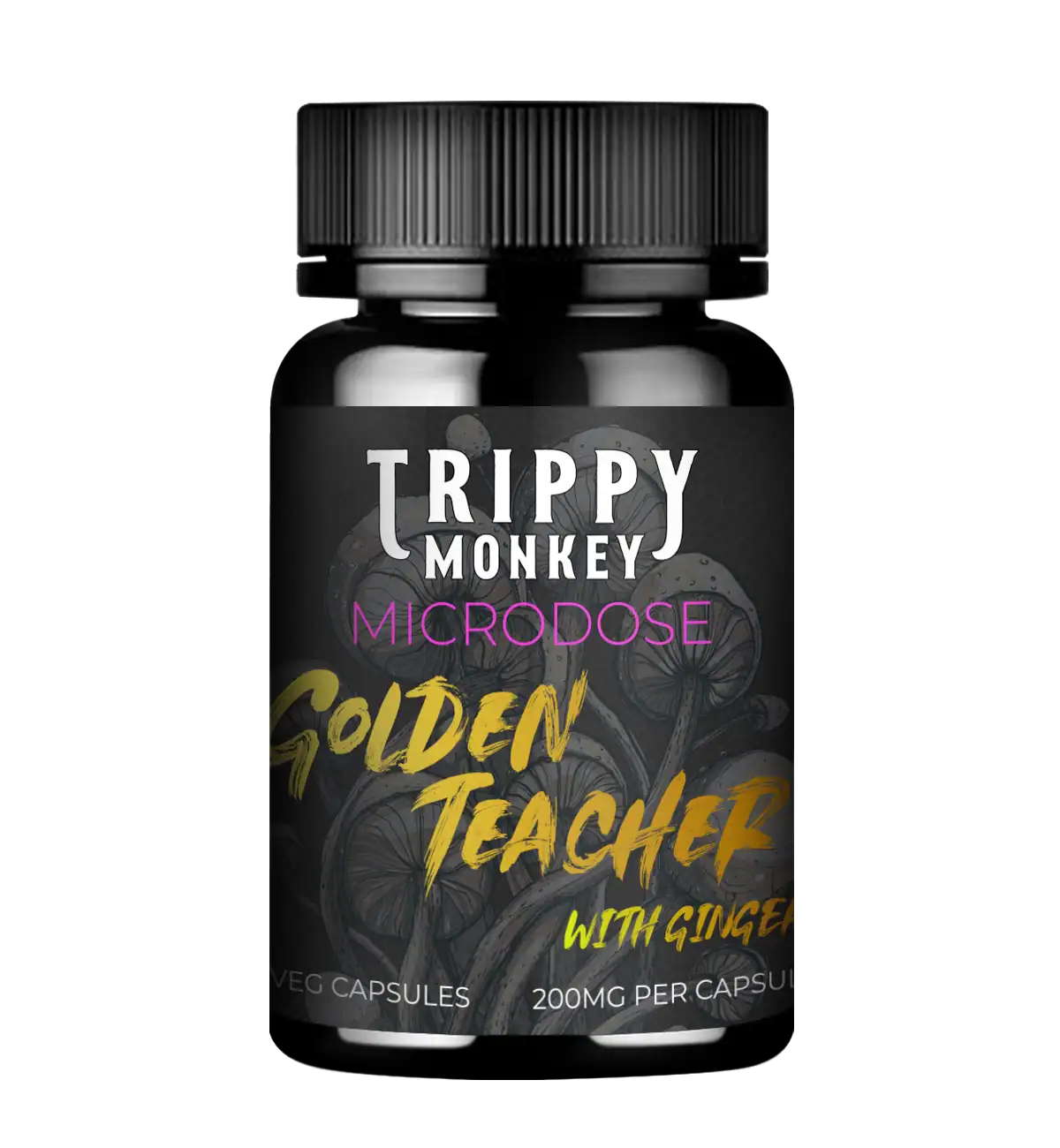
| Psilocybe cubensis (Golden Teacher) | 0.1–0.3 g | 2–3.5 g | Most common; ~0.6–0.9% psilocybin |
| Psilocybe cyanescens (Wavy Cap) | 0.05–0.15 g | 1–2 g | ~2× more potent than cubensis |
| Psilocybe azurescens | 0.03–0.10 g | 0.5–1.5 g | Most potent species commonly grown |
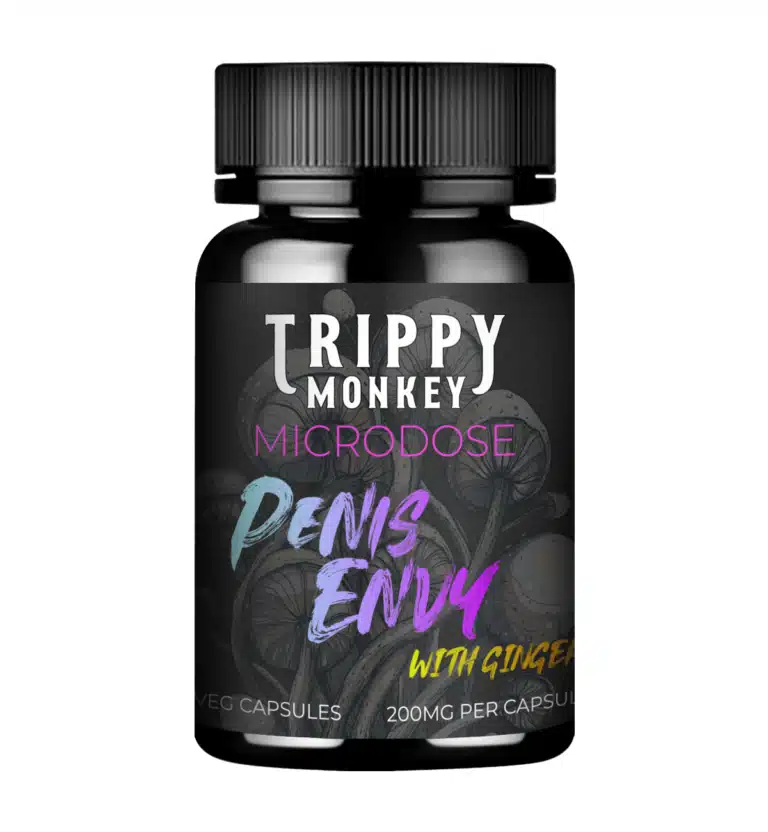
| Penis Envy (cubensis variant) | 0.05–0.15 g | 1.5–2 g | ~1.5–2× standard cubensis |
| Lion’s Mane (non-psychedelic) | 500 mg–1 g | N/A | Stacked with psilocybin in Stamets Stack |
If you can’t reliably weigh down to 0.05 g, consider capping — grind dried mushrooms and load 0.1 g capsules so you can dose consistently without a scale every morning.
What is the Fadiman Protocol?
Designed by Dr. James Fadiman, this is the most-cited microdosing schedule in published research. The structure:
- Day 1: Dose day (0.1–0.3 g, taken in the morning with water)
- Day 2: “Transition day” — no dose; observe carryover effects
- Day 3: “Normal day” — no dose; observe baseline
- Day 4: Dose day, repeat
So the cadence is dose every 3 days (one on, two off). Fadiman recommends running this for 4–8 weeks, then taking a 2–4 week break before considering another cycle.
Why two off-days? Psilocybin tolerance builds quickly — sub-perceptual doses still produce partial cross-tolerance with serotonin 5-HT2A receptors, so back-to-back days lead to diminishing returns. The 2-day pause allows receptor sensitivity to reset.
What is the Stamets Stack?
Mycologist Paul Stamets’s variation adds two non-psychedelic compounds to the protocol. Schedule:
- Days 1–4: Dose (psilocybin microdose + lion’s mane + niacin)
- Days 5–7: Off (no dose)
- Repeat weekly for 4 weeks, then take 2–4 weeks off.
The full stack per dose day:
- Psilocybe cubensis — 0.1–0.3 g dried
- Lion’s mane mushroom — 500–1000 mg (Hericium erinaceus, for hericenones & erinacines)
- Niacin (vitamin B3) — 100–200 mg, taken 15–30 minutes after psilocybin to trigger flush
Stamets’s hypothesis is that lion’s mane promotes nerve growth factor (NGF) production, niacin opens capillaries to deliver the compounds to peripheral nerves, and psilocybin acts as a “neurogenesis amplifier.” Note: this hypothesis is still being investigated — controlled human trials are limited as of 2026.
What is nightly microdosing?
A newer protocol popularized in the 2022–2024 sleep-research wave at McGill and Imperial College London. Schedule:
- Daily: 0.05–0.15 g of dried Psilocybe cubensis taken 30–60 minutes before bed
- Run for 2–4 weeks, then assess
The premise: at sub-perceptual doses taken before sleep, psilocybin’s modest 5-HT2A activation may extend REM density without producing a noticeable acute experience the next morning. Users report deeper sleep, vivid dream recall, and a calmer mood the following day.
Trade-off: daily dosing builds faster tolerance than Fadiman or Stamets. Most nightly users add a 5–7 day off-week every 4 weeks to reset.
Schedule comparison: which is right for you?
| Protocol | Cadence | Best For | Cycle Length | Tolerance Risk |
|---|---|---|---|---|
| Fadiman | 1 on / 2 off | Mood, creativity, focus | 4–8 weeks | Low |
| Stamets Stack | 4 on / 3 off | Neuroplasticity, learning, focus | 4 weeks max | Moderate |
| Nightly | Daily (with rest week) | Sleep quality, dreams | 2–4 weeks then 1 off | High |
| Two-Days-On (custom) | 2 on / 5 off | Weekend focus pairs | 8+ weeks | Very low |
What time of day should I dose?
For Fadiman and Stamets schedules, the standard recommendation is morning, with breakfast. Psilocybin onset is 20–40 minutes on an empty stomach, 45–90 minutes with food. Effects last roughly 4–6 hours at recreational doses; at microdoses the active window is shorter, typically 2–4 hours of subtle effects.
For nightly microdosing, take the dose 30–60 minutes before bed. Eat a light snack 30 minutes before to slow absorption and smooth the peak.
Avoid afternoon dosing if you have evening sleep concerns — even sub-perceptual doses can extend sleep latency for sensitive users.
What should I track during a microdosing cycle?
Fadiman’s research team asks participants to log: mood (1–10 scale, morning & evening), anxiety (1–10), energy (1–10), sleep quality (1–10, recorded next morning), creativity/productivity (qualitative notes), side effects (any physical or emotional).
The point of tracking is to separate placebo response from real signal. A 2022 Imperial College trial found that 51% of self-reported microdosing benefits could be explained by placebo expectancy — but the 49% remainder is real, and tracking is the only way to figure out which side of that line you’re on.
What are the side effects of mushroom microdosing?
Reported side effects from a 2024 University of Toronto observational study of 893 microdosers:
- Headache — 18% of users (most common)
- Anxiety or jitteriness — 12%, especially in first week
- Fatigue / sleepiness — 9%, usually mid-afternoon
- Gastrointestinal upset — 7%, often from raw mushroom matter
- Temporary mood dip — 5%, on off-days
- Vivid dreams — 22%, considered desirable by most
Side effects typically diminish after the first 1–2 weeks. If headache or anxiety persists past week 2, drop the dose by 30% or extend the off-period.
Who should NOT microdose?
Microdosing carries real contraindications. Do not microdose if you:
- Take SSRIs, SNRIs, MAOIs, or lithium — pharmacological interactions can blunt effects or cause serotonin issues
- Have a personal or family history of schizophrenia, bipolar disorder, or psychosis — psilocybin can trigger latent psychotic episodes
- Are pregnant or breastfeeding — no safety data exists
- Have a cardiovascular condition — psilocin mildly elevates heart rate
- Are under 18 years old
- Operate heavy machinery or fly aircraft on dose days
If you take any medication, consult a prescriber before starting any microdosing cycle. This is not a “natural so safe” practice — psilocybin is a 5-HT2A partial agonist and has real pharmacology.
Is mushroom microdosing legal in Canada?
Psilocybin is a Schedule III controlled substance under Canada’s Controlled Drugs and Substances Act (CDSA), 1996. Possession, cultivation, and distribution are technically illegal nationally.
However, the regulatory landscape is in active transition:
- Section 56 exemptions — Health Canada has granted personal-use exemptions to patients with terminal diagnoses, treatment-resistant depression, and cluster headaches since 2020.
- Special Access Program — As of January 2022, doctors can apply for psilocybin access on behalf of seriously ill patients.
- Provincial enforcement — Possession of small personal quantities is rarely prosecuted in most provinces. Bulk possession and distribution remain enforcement priorities.
- Microdosing dispensaries — Dozens operate openly across BC, Ontario, and Quebec under tolerated-gray-market status as of 2026.
Browse our microdose capsule selection if you’re located in Canada.
FAQ
How long until microdosing “works”?
Most users report subtle changes within 3–7 days. Bigger effects (mood, sleep, focus) typically show up by week 2. If you’ve completed a full 4-week cycle and notice nothing, your dose is likely too low, the mushrooms are old, or you’re a non-responder (estimated 15–20% of the population).
Can I drive on a microdose?
Operate vehicles only if you have prior experience with your specific dose and have verified there’s no impairment. First-time users should not drive on dose days. Microdoses do not produce intoxication, but they can mildly affect reaction time and reflexes in sensitive users.
What’s the difference between psilocybin and psilocin?
Psilocybin is the prodrug found in mushrooms; the liver dephosphorylates it into psilocin, which is the active compound binding 5-HT2A receptors. Both are scheduled under the CDSA.
How should I store dried mushrooms?
Vacuum-sealed mason jar with food-grade silica gel desiccant, stored in a cool dark cupboard. Properly stored dried mushrooms retain potency for 12–24 months.
Can I microdose with truffles instead of mushrooms?
Yes. Sclerotia (psilocybin truffles) contain the same active compounds but at lower concentrations. A truffle microdose is typically 0.5–1 g — roughly 3–4× the weight of a mushroom microdose.
Will microdosing show up on a drug test?
Standard 5-panel and 10-panel workplace drug tests do not screen for psilocybin. Specialized expanded panels sometimes include psilocin metabolites. Detection windows are 24–48 hours post-dose.
How long should I stay on a cycle?
The consensus from published microdosing research (Fadiman 2015, Anderson 2019, Polito 2019, Szigeti 2021):
- First cycle: 4 weeks, then assess
- Second cycle: 6–8 weeks, after a 2–4 week break
- Long-term: 4–6 cycles per year, with full breaks in between
Continuous microdosing past 8 weeks is not supported by current literature. The receptor desensitization concerns are real even at sub-perceptual doses.
Bottom line
The three core microdosing schedules — Fadiman (1-on/2-off), Stamets (4-on/3-off), and Nightly — each target different outcomes. Start with Fadiman if you’re new (most tolerance-friendly). Add Stamets if you want neuroplasticity stacking. Try Nightly only after you’ve run at least one Fadiman cycle and understand your individual response.
Health disclaimer. This article is for harm-reduction and educational purposes only. It is not medical advice. Psilocybin is a Schedule III controlled substance in Canada. Consult a licensed healthcare professional before starting any psychedelic protocol, especially if you take medication or have a personal or family history of mental health conditions.
Sources: Fadiman J., The Psychedelic Explorer’s Guide (2011); Stamets P., personal protocol documentation; Polito V. & Stevenson R.J., PLOS ONE 2019; Anderson T. et al., Harm Reduction Journal 2019; Szigeti B. et al., eLife 2021; Health Canada Controlled Drugs and Substances Act Schedule III; Imperial College London Centre for Psychedelic Research microdose trials 2022–2024.