Shop at The Natural Remedy
for top shelf BC Buds
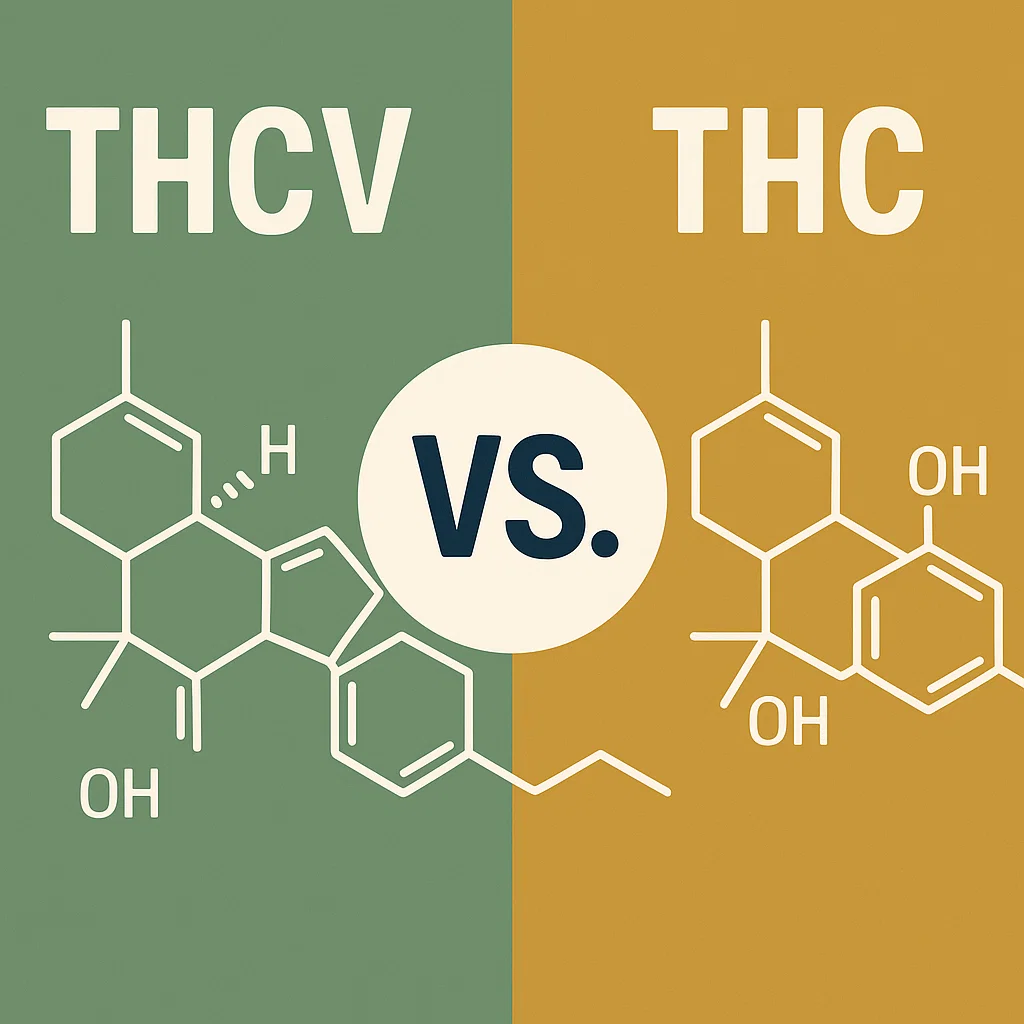
When most people think of cannabis, they think of THC — the psychoactive compound responsible for the high. But as research expands, another cannabinoid is stepping into the spotlight: THCV. While both come from the same plant, they act differently in your body and produce very distinct effects.
In this guide, we’ll dive into the key differences between THCV vs THC, their benefits, side effects, and how they each interact with your system. Whether you’re curious about using cannabis for wellness or just want to understand the science behind it, this breakdown will help you make sense of both compounds.
THC (tetrahydrocannabinol) is the primary psychoactive compound found in cannabis. It’s what gives you the euphoric, uplifting feeling when you smoke or consume weed. THC binds to CB1 receptors in the brain, which are part of the body’s endocannabinoid system — the network that helps regulate mood, sleep, appetite, and pain.
The result? That familiar cannabis “high” characterized by relaxation, creativity, or, in some cases, couch-lock.
THC is present in a variety of cannabis products including:
THC vapes for a quick, potent experience
Edibles for a longer-lasting body high
Hash concentrates for traditional smokers who prefer dense, aromatic hits
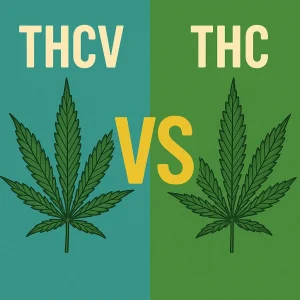
A visual comparison of THCV and THC—two cannabinoids with unique effects and benefits.
THCV (tetrahydrocannabivarin) is a lesser-known cannabinoid that shares a similar chemical structure to THC but behaves very differently.
Unlike THC, which mostly activates the CB1 receptor, THCV can block that same receptor at lower doses — meaning it may actually counteract the high caused by THC. At higher doses, though, THCV can produce mild psychoactive effects, though they are typically shorter and more energizing than THC’s.
THCV is often referred to as the “diet weed” or “energy cannabinoid” because of its potential appetite-suppressing and focus-enhancing effects. You’ll find it in smaller amounts in certain sativa-dominant strains, particularly African landraces like Durban Poison or Malawi.
Some of the most exciting THCV-rich products are live resin extracts and distillate syringes, both of which preserve more cannabinoids and terpenes from the original flower.
Although THC and THCV share similar chemical backbones, their effects can feel like night and day. Here’s a clear breakdown of how they compare:
| Feature | THC | THCV |
|---|---|---|
| Full Name | Tetrahydrocannabinol | Tetrahydrocannabivarin |
| Chemical Structure | 5-carbon side chain | 3-carbon side chain |
| Main Effect | Psychoactive (induces a high) | Mildly psychoactive or non-psychoactive at low doses |
| Receptor Activity | CB1 receptor agonist | CB1 receptor antagonist (low doses), agonist (high doses) |
| Appetite Impact | Stimulates appetite (“munchies”) | Suppresses appetite |
| Common Strains | Indica, Hybrid, Sativa | Mostly African sativas like Durban Poison |
| Duration of Effects | 2–6 hours depending on method | 1–2 hours, shorter and cleaner high |
| Primary Benefits | Relaxation, euphoria, pain relief | Focus, energy, appetite control, clarity |
| Legality | Legal in regulated cannabis markets | Legal in some areas, often sold as hemp extract |
Both compounds influence the endocannabinoid system (ECS), but their effects depend on how they engage with CB1 and CB2 receptors.
THC binds strongly to CB1 receptors in the brain, producing its well-known euphoric effects.
THCV, on the other hand, blocks CB1 receptors at lower doses, reducing the intensity of THC’s high. This is why some users describe THCV as “clear-headed weed.”
When combined, THCV can actually balance out THC’s effects — less foggy, less drowsy, and more mentally alert. This makes THCV-rich strains appealing for people who enjoy cannabis but prefer to stay functional throughout the day.
Research into THCV is still in its early stages, but so far, results are promising. Scientists and consumers alike have noted several potential benefits, including:
Appetite Suppression
Unlike THC, which can increase hunger, THCV seems to do the opposite. Some studies suggest it may help regulate metabolism and reduce food cravings, which has sparked interest in its potential for weight management.
Energy and Focus
THCV delivers an uplifting, stimulating effect similar to caffeine — without the jitteriness. Users report improved mental clarity and focus, making it popular among daytime consumers.
Blood Sugar Regulation
Preliminary research indicates THCV could support healthy insulin levels, making it a potential aid for those managing type 2 diabetes.
Bone Growth Support
THCV may promote new bone cell production, showing potential for treating osteoporosis in the future.
For users seeking cleaner, more functional effects, THCV-infused extracts like rosin or hybrid vapes can deliver an ideal mix of balance and clarity.
While THC gets a lot of attention for its intoxicating properties, its medical and therapeutic uses are well-documented too.
Pain Relief
THC interacts with the central nervous system to help manage chronic pain. Many patients use THC capsules or edibles to achieve long-lasting relief.
Relaxation and Sleep Aid
Indica strains rich in THC are excellent for winding down after a long day or combating insomnia.
Mood Enhancement
THC can lift mood and promote feelings of euphoria, helping relieve symptoms of anxiety or depression when used in moderation.
Nausea Reduction
THC is approved in certain medical contexts for easing nausea, particularly for cancer patients undergoing chemotherapy.
While THC is often associated with recreation, it continues to be an essential part of medical marijuana programs in Canada and globally.
Choosing between THCV and THC depends on what kind of experience or therapeutic effect you’re looking for.
If you want deep relaxation, body-heavy effects, or pain relief, THC is the better option. Try indica vapes or hash concentrates for strong, calming results.
If you prefer focus, alertness, and appetite control, THCV might be your ideal match. Look for sativa-dominant or THCV-infused extracts like live resin for energizing effects.
Many users find that combining both offers a “best of both worlds” effect — calm without couch lock, and clarity without anxiety.
Both THC and THCV are generally well-tolerated, but like any active compound, they can cause mild side effects depending on dosage and individual tolerance.
THC side effects may include:
Dry mouth or red eyes
Drowsiness
Short-term memory lapses
Increased appetite
THCV side effects may include:
Mild euphoria or energy surge (in high doses)
Short duration of effects
Slight anxiety if combined with strong sativas
Moderation is key. Start low and go slow, especially when trying THCV products for the first time.
In Canada, THC and THCV are both regulated under the Cannabis Act. THC products are widely available from licensed online dispensaries like The Natural Remedy, which offers verified THC vapes, edibles, and extracts.
THCV is legal if it’s derived from cannabis or hemp produced by a licensed grower. However, THCV-rich strains are still rare, making extracts and concentrates the most reliable sources.
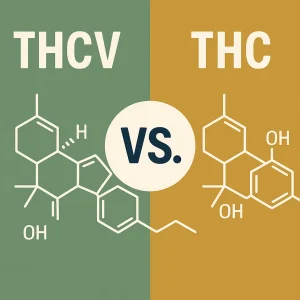
THCV and THC share a similar molecular structure but produce very different effects in the body.
Here’s how each cannabinoid fits different lifestyles and preferences:
THC is ideal for relaxation, creativity, and sleep. It’s the go-to for recreational users and medical patients seeking pain or stress relief.
THCV suits active, daytime users who want to stay sharp, energized, and focused without the heavy psychoactive buzz.
For those seeking balance, hybrid options — like hybrid cannabis strains — can offer a mix of both worlds.
Yes — in fact, they often complement each other. Combining small amounts of THCV with THC can reduce some of THC’s side effects, like brain fog or increased appetite, while maintaining the calming and euphoric aspects.
Some modern products blend both cannabinoids in measured ratios to create more functional highs. For example, THC distillate syringes infused with minor cannabinoids like THCV can provide smoother, more predictable effects.
So, when it comes to THCV vs THC, it’s not about which one is better — it’s about what works for you.
If you want deep body relaxation, a euphoric mental lift, and long-lasting effects, THC is the clear winner. But if you’re after focus, appetite control, or a light, functional high, THCV offers a refreshing alternative.
Both cannabinoids have their place in the cannabis world, and the growing availability of products means you can tailor your experience to your exact needs.
Whether you prefer THC vapes, live resin extracts, or rosin concentrates, The Natural Remedy offers safe, high-quality options that let you explore both THC and THCV on your own terms.
No account yet?
Create an Account