
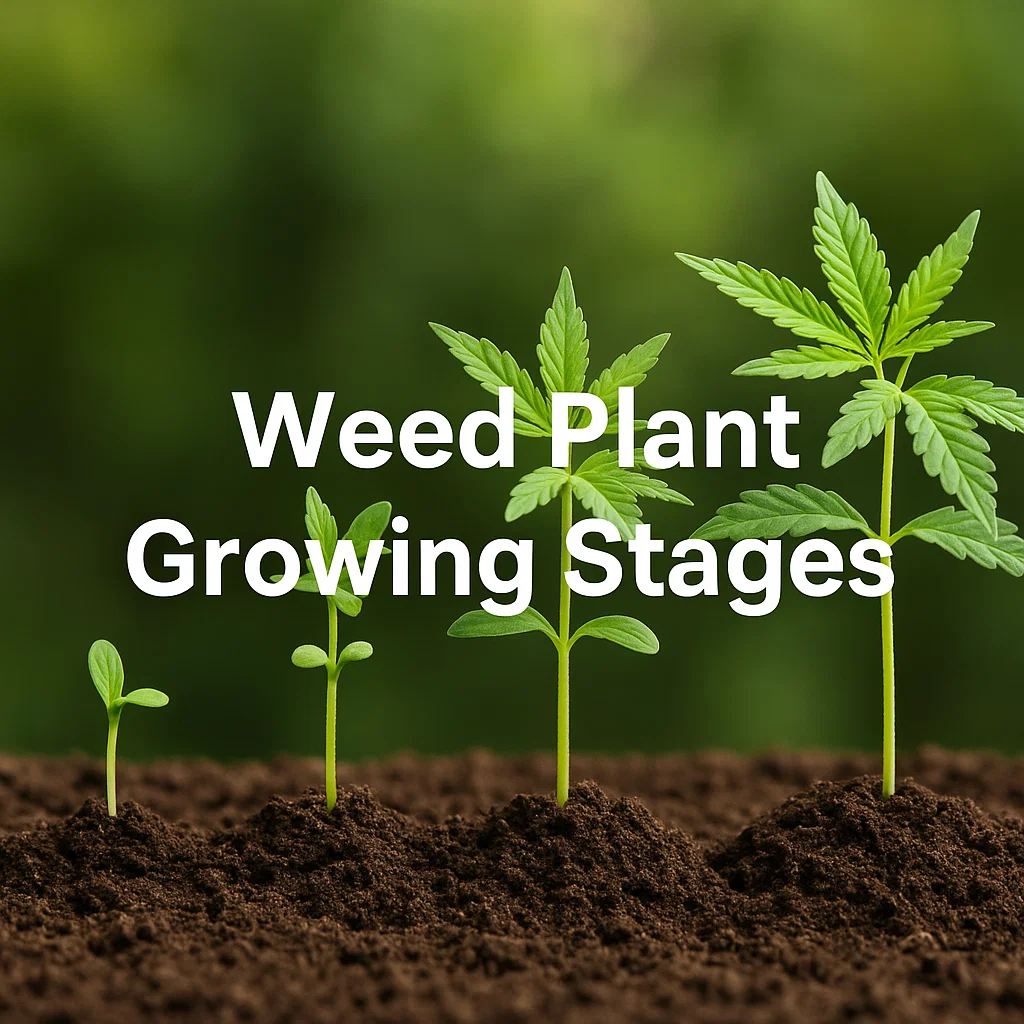

Weed Plant Growing Stages
Weed Plant Growing Stages: From Seed to Harvest
Growing weed is more than just planting a seed and waiting. It’s a process that takes time, patience, and an understanding of how the cannabis plant develops through each stage. Whether you’re growing a small batch at home or planning something more advanced, knowing the weed plant growing stages helps you get the best yields and the most potent buds possible.
Let’s break down the process from seed to harvest, step by step.
1. Germination Stage (3–10 Days)
Every cannabis plant starts from a seed. In this early stage, the goal is to help the seed sprout so it can form roots and eventually grow leaves. A healthy seed will be hard, dry, and light brown with visible stripes.
To germinate, place the seed between moist paper towels, keep it warm and dark, and wait for the taproot to emerge. Once it does, the seed is ready to be transferred to soil or another growing medium.
Products like premium grow accessories can make this process easier, ensuring you maintain proper humidity and temperature during germination.
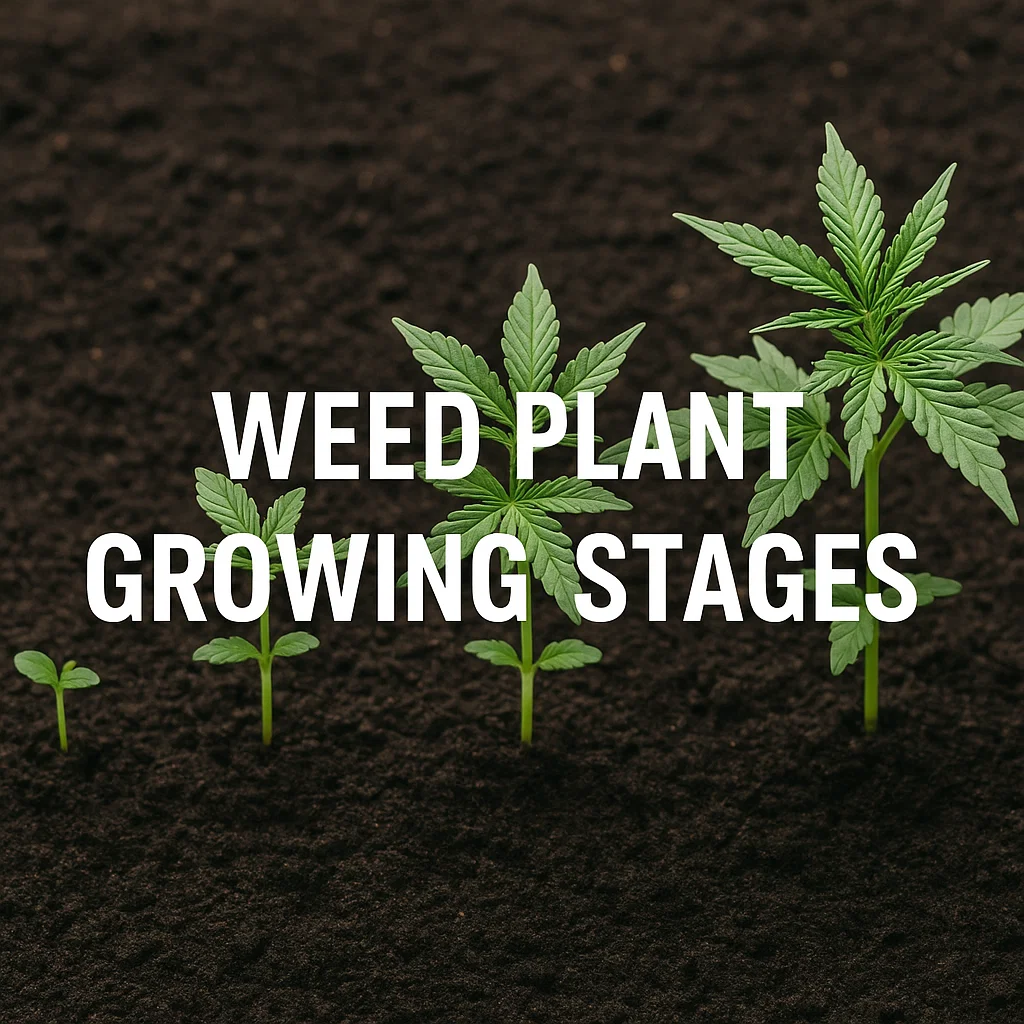
2. Seedling Stage (2–3 Weeks)
After germination, the tiny sprout becomes a seedling. This stage is delicate—the plant begins developing its first real leaves with the iconic serrated edges we all recognize.
Keep lighting gentle but consistent, around 18 hours per day, to support healthy photosynthesis. The seedling will start forming roots and a stronger stem. Avoid overwatering since too much moisture can cause root rot or mold.
If you’re experimenting with different strains, this is when you’ll start noticing early growth patterns that hint at whether your plant leans Indica or Sativa dominant.
3. Vegetative Stage (3–8 Weeks)
Once your plant is strong enough, it moves into the vegetative stage—the main growing phase. Here, the weed plant focuses on building size, strength, and a sturdy structure to support buds later on.
This is the time to ensure your plant gets plenty of light, nutrients, and airflow. Indoor growers often keep the light cycle at 18 hours on and 6 hours off, while outdoor growers rely on long summer days.
Nitrogen-rich nutrients play a big role in helping your plant thrive in this stage. Regular pruning and training techniques, such as topping or low-stress training, help shape your plant for higher yields.
When you’re ready to supplement your grow, check out THC distillate syringes and CBD oils for post-harvest enhancement or infusion.
4. Pre-Flowering Stage (1–2 Weeks)
As the vegetative stage comes to an end, your plant will begin showing early signs of its sex—this is called pre-flowering. You’ll notice small “pre-flowers” forming where the branches meet the main stem.
- Female plants will produce white, hair-like pistils.
- Male plants will form pollen sacs that look like tiny balls.
If you’re cultivating for buds, you’ll want to remove male plants unless you’re breeding seeds. Female plants are what produce the resinous, trichome-covered flowers everyone wants.
During this time, your plant will stretch and double in height, preparing to carry the weight of future buds.
5. Flowering Stage (6–10 Weeks)
This is where the magic happens. The flowering stage is when your cannabis plant starts forming buds, developing aroma, and producing THC.
To trigger flowering indoors, growers switch the light cycle to 12 hours of light and 12 hours of darkness. Outdoors, flowering starts naturally as the days grow shorter in late summer or early fall.
Key signs of healthy flowering include:
- Rapid bud development along the stems
- A strong, pleasant aroma
- Sticky trichomes forming on the flowers
Each strain has its own unique timeline and look. For example, Indica strains like Afghani Hash tend to flower faster and stay shorter, while Sativa strains stretch taller and take a few extra weeks to mature.
To maintain optimal quality during this stage, make sure humidity stays low (around 40–50%) to prevent mold. Good airflow is essential, and gentle trimming helps light reach all buds evenly.
6. Late Flowering and Ripening (2–3 Weeks)
In the final weeks, buds swell to their full size, and the plant’s pistils begin changing color—usually from white to orange or brown. Trichomes shift from clear to cloudy or amber, signaling when THC potency peaks.
Many growers flush their plants at this stage by feeding them only water for 7–10 days. This helps remove residual nutrients from the plant, resulting in cleaner, smoother smoke.
When your buds reach their peak stickiness and aroma, you’ll know it’s nearly harvest time.
For flavor chasers, this is also when the terpene profile becomes most pronounced, similar to what you’d find in live resin vapes and distillate extracts made from premium flower.
7. Harvest Stage
Timing is everything. Harvest too early, and the buds won’t reach full potency. Wait too long, and THC may start to degrade into CBN, leading to a more sedative effect.
A magnifying glass or jeweler’s loupe helps check trichome color for accuracy:
- Clear trichomes = not ready
- Cloudy trichomes = peak potency
- Amber trichomes = more relaxing, body-heavy high
Cut your plants at the base, trim excess leaves, and hang them upside down in a cool, dark space with good airflow to dry.
After about 7–14 days, your buds should feel slightly crisp on the outside but still sticky inside. That’s when it’s time for curing.
8. Curing Stage (2–4 Weeks or More)
Curing is the often-overlooked stage that makes the biggest difference in flavor, potency, and smoothness. Once dried, buds are placed in airtight glass jars and opened daily to let moisture escape for the first week.
This process refines the cannabinoids and terpenes, enhancing both taste and effect. Proper curing transforms harsh smoke into a clean, aromatic experience.
Some cannabis connoisseurs compare this to aging fine wine. If you’re after quality, patience pays off.
To preserve freshness long-term, store your cured flower in containers.
9. Optional Stage: Post-Harvest Processing
Once your weed is fully cured, you can enjoy it in several forms beyond smoking. Many enthusiasts experiment with:
- Rosin pressing for solventless extracts
- Hash products for a classic, concentrated experience
- THC edibles for a slower, more body-focused high
Post-harvest processing can elevate your homegrown weed into a refined product that rivals what’s found in dispensaries.
Understanding the Lifecycle of a Cannabis Plant
Every stage of the weed plant’s life has a purpose. From seed to smoke, it’s a journey of transformation—one that rewards patience and attention to detail.
- Germination kickstarts life
- Seedling and vegetative growth build strength
- Flowering and ripening bring the payoff
- Curing ensures the experience is smooth and flavorful
Even small mistakes, like overwatering or poor lighting, can impact your harvest, but that’s all part of learning to grow cannabis well. The more you understand the plant’s stages, the better your results will be.
Tips for Every Grower
- Light Quality Matters: Use full-spectrum LED or natural sunlight for even growth.
- Don’t Overfeed Nutrients: It’s better to underfeed than risk nutrient burn.
- Keep Air Moving: Good ventilation prevents mold and strengthens stems.
- Record Everything: Tracking your light cycles, feedings, and humidity helps you improve with each grow.
Many first-time growers also find success starting with ready-to-vape products like THC vapes to understand effects and flavors before attempting full cultivation.
Final Thoughts
Growing weed is both science and art. Each stage—from sprouting a seed to curing the final buds—teaches patience and precision. The journey is rewarding, not just because of the final harvest, but because of the connection you build with the plant itself.
Understanding the weed plant growing stages gives you control over your crop’s health, potency, and aroma. Whether you’re a new grower or an experienced cultivator fine-tuning your setup, knowing when to nurture, when to prune, and when to harvest makes all the difference.
And when it’s time to sit back and enjoy the results, there’s nothing like pairing your homegrown stash with premium products from The Natural Remedy — from vapes and extracts to edibles and hash, it’s all about celebrating the plant from seed to smoke.