


Which Marijuana Strain Helps with Sleep?
Which Marijuana Strain Helps with Sleep?
Struggling with sleep is a common issue in Canada, with recent data showing that nearly 62% of medical cannabis users now utilize the plant to manage sleep disorders and insomnia. While many turn to marijuana as a natural remedy, the “best” strain isn’t just about high THC anymore; it’s about the synergy between cannabinoids like CBN and specific sedative terpenes.
Whether you’re looking for premium Indica flower or a modern sleep-focused edible, this guide uncovers the top strains and science-backed methods to help you drift off into a peaceful slumber.
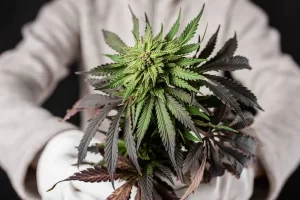
Understanding the “Sleep Architecture” of Cannabis
In 2026, we’ve moved beyond the simple Indica vs. Sativa debate. To find the right sleep aid, you need to look for two key components:
1. The Power of CBN (Cannabinol)
Often called the “sleep cannabinoid,” CBN is formed as THC ages. New clinical trials in 2025/2026 suggest that 20mg of CBN can significantly reduce nighttime awakenings without the “grogginess” associated with high-THC doses.
2. Sedative Terpenes
Terpenes are the aromatic oils that drive the “Entourage Effect.” For sleep, look for:
Myrcene: The most common sedative terpene (found in hops and mangoes).
Linalool: Also found in lavender; known for its anxiety-reducing properties.
Caryophyllene: Helps with pain-related insomnia by interacting with CB2 receptors.
Best Marijuana Strains for Sleep in 2026
Granddaddy Purple (GDP)
A legendary Indica renowned for deep physical relief. Its high Myrcene content makes it the gold standard for “couch-lock” sedation.
Best for: Muscular tension and chronic stress.
Northern Lights
A classic that remains a top contender in 2026. Northern Lights is a pure Indica that provides a tranquilizing body buzz, making it easier to “switch off” the day’s mental chatter.
Best for: Winding down after a high-anxiety day.
Bubba Kush
Famous for its heavy sedative properties, Bubba Kush is often described as a “weighted blanket” for the brain. It is highly effective for those who struggle with pain-induced insomnia.
Death Bubba
A more potent descendant of Bubba Kush, this strain is for experienced users. It is known to induce a deep, dreamless sleep—perfect for those who suffer from PTSD-related sleep disturbances.
Pink Kush
A staple in the Canadian market, Pink Kush offers a potent body high and long-lasting effects. It’s frequently used to manage physical discomfort that prevents sleep onset.
Modern Methods of Consumption for Sleep
| Method | Onset Time | Duration | Best Sleep Use Case |
| Vaping/Smoking | 2–5 Minutes | 1–3 Hours | Falling asleep quickly (Latency) |
| THC/CBN Edibles | 45–90 Minutes | 6–8 Hours | Staying asleep all night |
| Oils & Tinctures | 15–30 Minutes | 4–6 Hours | Precise dosing for mild insomnia |
How to Choose the Right Strain for You
Finding your “sleep sweet spot” involves three steps:
Check the Terpenes: Use a terpene guide to ensure your strain contains Myrcene or Linalool.
Monitor THC Levels: While THC helps you fall asleep, too much can disrupt REM sleep. Many users in 2026 are switching to 1:1 THC/CBD or THC/CBN blends to preserve sleep quality.
Start Low: Especially with concentrates like shatter, start with a single draw to avoid “racing thoughts” that can keep you awake.
Potential Side Effects & Safety
While marijuana is a popular sleep aid, heavy daily use can lead to tolerance. To prevent this:
Hydrate: Dry mouth (“cottonmouth”) can wake you up mid-night.
Avoid “Hangover”: If you feel groggy the next day, reduce your dose or switch to a strain with higher CBD to buffer the THC.
Consult Professionals: If you are on blood pressure or anxiety medication, consult a doctor as cannabis can interact with certain pharmaceuticals.
Conclusion
Marijuana is a powerful tool for restoring your natural circadian rhythm when used correctly. By focusing on Indica-dominant genetics and looking for the “sleep trio” (THC, CBN, and Myrcene), you can achieve a more restorative rest.
Unique FAQs (Updated for 2026)
1. Is CBN better than THC for sleep? CBN is specifically sedative without the intense “high” of THC. Many find a combination of both is most effective for staying asleep through the night.
2. Why can’t I remember my dreams after using cannabis? THC suppresses REM (Rapid Eye Movement) sleep, which is when most dreaming occurs. If you want to dream more, consider a lower-THC strain or taking a “tolerance break.”
3. What is the “Entourage Effect” in sleep? It is the theory that cannabinoids (THC/CBD) work better for sleep when combined with natural terpenes like lavender (linalool) or hops (myrcene).
4. How long before bed should I take an edible? Because edibles can take up to 2 hours to reach peak levels, it is best to consume them at least 90 minutes before your head hits the pillow.