


Why Curing Makes or Breaks Your Weed
Why Curing Makes or Breaks Your Weed
When it comes to cannabis, curing is the step that separates good weed from great weed. You can grow the best genetics, trim perfectly, and dry carefully—but without proper curing, the flower loses its flavour, aroma, and potency.
In Canada’s craft cannabis market, curing is an art form. It’s what gives premium buds like Cadillac Rainbows AAAA or Gas Mac AAAA+ their rich terpene profiles, smooth smoke, and that sticky, aromatic finish true smokers look for.
This guide explains why curing matters, how it works, and what goes wrong when it’s rushed or skipped.
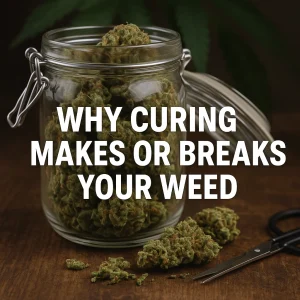
Proper curing locks in aroma, potency, and smoothness, turning good weed into great weed.
What Is Curing?
Curing is the process of slowly aging freshly dried cannabis buds in a controlled environment to preserve and enhance their natural compounds.
After harvest, the buds are dried for several days to remove surface moisture. Once they reach the right humidity (around 10–15%), they’re sealed in airtight jars or containers and “burped” daily to allow gases and residual moisture to escape.
This process continues for 2–6 weeks, depending on the strain and density of the buds.
Think of it like aging wine or cheese:
It’s about time, temperature, and patience—all working together to develop smoothness, potency, and taste.
Why Curing Is Essential
Skipping curing is one of the biggest mistakes growers make. While uncured weed might look good, it often smells grassy, tastes harsh, and burns unevenly.
Here’s why curing makes all the difference:
1. Improves Flavour
During curing, chlorophyll and other plant byproducts break down. This removes the harsh, “green” taste and allows terpenes to shine.
Strains like Kashmir Kush AAAA show how proper curing enhances natural flavours—earthy, piney, and slightly floral instead of sharp or bitter.
2. Preserves Terpenes
Terpenes are volatile compounds that give cannabis its aroma and taste. They’re sensitive to heat and airflow. Improper drying or skipping curing can destroy them completely.
Slow curing locks terpenes inside the bud, creating that smooth, rich scent that hits before the smoke even touches your lips.
3. Balances Moisture Content
Good curing keeps the buds from drying out too much or retaining too much moisture. It ensures an even burn, preventing sparks or harsh hits.
It’s what gives buds like Gastro AAAA that perfect, sticky consistency—never brittle or powdery.
4. Enhances Potency
Curing continues the chemical conversion of cannabinoids. THC-A (the inactive form) slowly turns into THC, increasing psychoactive potency.
The longer the cure (within reason), the smoother and stronger the effects.
5. Extends Shelf Life
Properly cured cannabis can stay fresh for months without losing potency or aroma. Poorly cured weed, on the other hand, degrades fast—terpenes fade, THC breaks down, and the buds turn dull.
The Science Behind Curing
Curing is more than drying—it’s a slow biological and chemical process that happens inside the bud.
Here’s what’s happening at the molecular level:
Chlorophyll degradation: The plant’s green pigment breaks down, removing bitterness and grassy notes.
Starch and sugar breakdown: Bacteria and enzymes inside the bud metabolize remaining sugars, smoothing the smoke.
Moisture equalization: Inner moisture moves outward, keeping the bud evenly hydrated.
Terpene stabilization: Lower humidity and limited oxygen help terpenes bind to plant material, locking in aroma.
Curing lets the flower mature into its full potential. Rushed drying skips this transformation completely, leaving behind harsh, low-quality weed.
How Curing Impacts Aroma and Taste
You can smell the difference immediately between cured and uncured weed.
Uncured buds often have a sharp, grassy scent similar to fresh-cut hay. Cured cannabis, on the other hand, has depth—sweet, spicy, fruity, or gassy tones that hit your senses instantly.
When you light cured buds, they burn evenly, produce thick white smoke, and leave a pleasant aftertaste.
Top-shelf strains like Gas Mac AAAA+ or Cadillac Rainbows AAAA demonstrate what proper curing delivers—smooth hits with strong, lingering flavour.
What Happens When Curing Is Done Wrong
Rushing or skipping curing can ruin good cannabis fast. Common issues include:
Harsh smoke: From leftover chlorophyll or trapped sugars.
Low potency: THC doesn’t fully develop if the bud dries too fast.
Mold or mildew: If curing jars are sealed too early or humidity isn’t controlled.
Weak aroma: Terpenes evaporate under too much heat or air exposure.
Bad curing can make even premium genetics taste cheap.
How Growers Cure Cannabis Properly
While every grower has their method, the fundamentals stay the same.
1. Dry Slowly
After harvest, buds are hung upside down in a dark, ventilated space at 18–20°C and 50–55% humidity. This prevents rapid drying that can trap chlorophyll.
2. Jar It Up
Once stems snap but buds feel soft, they’re placed in glass jars filled to about 75% capacity. Airtight containers maintain stable humidity.
3. Burp Daily
For the first 7–10 days, growers open jars daily for 5–10 minutes to release trapped moisture and gases.
4. Monitor Humidity
The goal is to maintain 58–62% relative humidity inside the jar. Many professionals use humidity packs like Boveda to keep levels consistent.
5. Cure for 2–6 Weeks
Two weeks gives good results, but four or more delivers true top-shelf quality. The flavour sharpens, the aroma deepens, and the smoke becomes velvet-smooth.
How You Can Tell Weed Was Properly Cured
You don’t need lab tools to know if your weed was cured right. Here’s what to look for:
Smell: Strong, pleasant, and strain-specific.
Touch: Slightly sticky but not wet.
Burn: Even and slow with white ash.
Taste: Smooth inhale, no grassy bite.
High: Clean and long-lasting, no “burnt” comedown.
For example, when smoking something like Kashmir Kush AAAA or Gastro AAAA, you’ll feel that balance—rich flavour, smooth smoke, and effects that build naturally without harsh edges.
Why Curing Matters for Canadian Cannabis Brands
In Canada’s legal and legacy markets, curing defines brand reputation.
Small-batch producers like those featured on The Natural Remedy take time to slow-cure every strain, ensuring consistency in flavour, moisture, and strength.
Mass-produced weed often skips this step to meet volume targets, which is why it lacks aroma and burns unevenly.
Curing separates premium craft flower from low-end stock — it’s the difference between dry, tasteless buds and aromatic, sticky ones that deliver real satisfaction.
Best Products to Experience Proper Curing
If you want to see what professional curing feels like in practice, start with these selections:
Gas Mac AAAA+ – Ultra-dense, trichome-heavy buds with creamy diesel flavour.
Cadillac Rainbows AAAA – Sweet and fruity with smooth smoke.
Kashmir Kush AAAA – Classic kush aroma and slow, heavy relaxation.
TNR Pre-Rolls – Convenient and packed with perfectly cured flower for consistent sessions.
Each of these products reflects precise curing that maximizes the strain’s natural terpenes and potency.
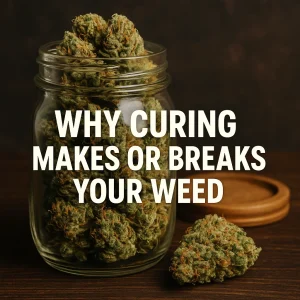
Curing keeps cannabis fresh, potent, and aromatic for months.
Curing and the Consumer Experience
Curing doesn’t just affect how cannabis smells or smokes—it changes how it feels.
When the flower is properly aged, the high is smoother and more even. Instead of a fast, overwhelming rush, you get a gradual build-up of calm and clarity that lasts longer.
For consumers who value flavour and balance, cured flower offers a more refined and enjoyable experience—less coughing, more control, and richer aroma with every draw.
How to Store Your Cured Weed
Once the curing process is complete, storage is the next key step. Even the best buds will degrade if stored wrong.
Follow these steps:
Keep flower in airtight glass jars.
Store in a cool, dark place away from light and heat.
Use CVault containers for humidity control and freshness.
Avoid plastic bags or constant air exposure.
When stored right, well-cured weed can maintain full potency for 6–12 months without losing flavour or aroma.
Final Thoughts
Curing is what transforms cannabis from raw plant material into a premium product. It’s where aroma, smoothness, and strength are perfected.
Rushing this step means losing everything that makes top-shelf flower worth the price. Proper curing ensures your buds deliver full flavour, clean smoke, and long-lasting effects — the hallmarks of real quality.
The next time you light up a strain from The Natural Remedy, you’ll taste the difference patience makes.