

What is the Best Lebanese Hash?
What is the Best Lebanese Hash?
The Legend of the Beqaa Valley
Red Lebanese
The gold standard of Middle Eastern concentrates, renowned for its cerebral effects and spicy terroir.
When it comes to the world’s most legendary cannabis concentrates, Lebanese hash is often spoken of in hushed, reverent tones by true connoisseurs. Originating from the sun-drenched, high-altitude plains of the Beqaa Valley, this unique hashish is a product of ancient tradition, artisanal patience, and a geographical climate that produces some of the most naturally resinous cannabis plants on the planet.
For decades, Lebanon stood alongside Morocco and Afghanistan as one of the "Big Three" hashish capitals of the world. However, due to shifting geopolitical climates and modern agricultural changes, true, authentic Lebanese import hash has become a rare gem in the North American market. Today, finding a block of real Lebanese hash is like unearthing a perfectly aged vintage wine.
But for those fortunate enough to be looking to buy hash online, one question inevitably arises: What is the best Lebanese hash? Is it the uplifting, cerebral Blonde, or the deeply sedative, heavy-hitting Red? At The Natural Remedy, we’ve spent years leveraging our deep industry connections to source the most authentic imports available in Canada. In this definitive guide, we will break down the history, the harvesting process, the distinct varieties, and ultimately reveal which Lebanese hash reigns supreme.
The Cradle of Hashish: The Beqaa Valley Terroir
To understand why Lebanese hash is so highly coveted, you must first understand where it comes from. The Beqaa Valley (also spelled Bekaa) is a fertile, high-altitude farming region situated between the Mount Lebanon and Anti-Lebanon mountain ranges. This specific geographical pocket possesses a unique "terroir"—a term usually reserved for wine, describing how the soil, climate, and environment impart unique flavor characteristics into a crop.
The valley experiences brutal, harsh environments: blistering, dry heat during the summer days, followed by plummeting, frigid temperatures at night, and very little rainfall. Cannabis plants grown in these conditions are forced to adapt to survive. To protect themselves from the intense UV radiation and prevent water loss, these ancient "landrace" cannabis strains evolved to produce an exceptionally thick, dense coating of trichomes (the resin glands that hold THC and terpenes).
Because the soil in the Beqaa Valley is incredibly rich in minerals, Lebanese hash develops a signature flavor profile that cannot be replicated anywhere else in the world: a deeply earthy, woody base with distinct top notes of cedar, pine, and exotic spices.
The Art of the Harvest: A Unique Sun-Drying Process
What separates Lebanese hash from its global competitors (like Moroccan or Afghan) isn't just the genetics; it’s the highly specific, artisanal harvesting and curing method.
In Morocco, cannabis plants are typically harvested while they are still relatively green and vibrant. In Afghanistan, the resin is often hand-rubbed or heated with water and tea to create a dark, gummy paste. Lebanon takes a completely different approach.
Lebanese cultivators leave their cannabis plants in the field far longer than almost anyone else in the world. They allow the plants to reach full maturity and then let them naturally dry and cure on the stalk under the blistering autumn sun. As the plants sit in the fields, the intense UV exposure and lack of water cause the green chlorophyll to break down completely, transforming the plants into a field of golden-yellow or deep, rust-red hues.
"The extended sun-curing process of Lebanese hash doesn't just change the color; it alters the very chemistry of the plant. The prolonged exposure to heat and light causes the THC to slowly oxidize into Cannabinol (CBN), giving Lebanese hash its signature narcotic, deeply relaxing body stone."
The Sifting and Pressing Technique
Once the plants are completely dried and brittle, they are harvested and brought into massive barns. The cultivators then carefully rub or thrash the dried flowers over a series of fine silk screens. This dry-sifting process separates the pure, matured trichome heads from the plant matter.
The resulting powder (kief) is collected and stored, usually in sealed bags, where it is allowed to age and cure through the winter. This winter curing process smooths out the flavor profile and enhances the potency. Finally, in the spring, the aged kief is packed into linen or cotton bags and pressed under massive amounts of pressure and gentle heat into solid blocks, often stamped with the iconic crests of the producing families or regions.
Red Lebanese vs. Blonde Lebanese: Which is Better?
Depending on exactly when the plant is harvested, Lebanese hash yields two distinct, world-famous varieties: Blonde (Yellow) and Red. While they share the same genetic lineage, their effects, flavors, and textures are dramatically different.
Blonde Lebanese (Yellow)
The Early Harvest
Blonde Lebanese is made from plants harvested slightly earlier in the season. Because the trichomes haven't been subjected to as much extreme sun exposure, the THC hasn't fully degraded into CBN. The resulting kief retains a bright yellow, golden color.
- Texture: Very dry, crumbly, and powdery. Easy to sprinkle over bowls.
- Flavor: Lighter, sweeter, with sharp notes of pine and fresh cedar.
- Effects: Known as the "Sativa" of the hash world. It provides a cerebral, uplifting, and clear-headed high that is perfect for daytime use, creative focus, and socializing without heavy fatigue.
Red Lebanese
The Late Harvest (The Fan Favorite)
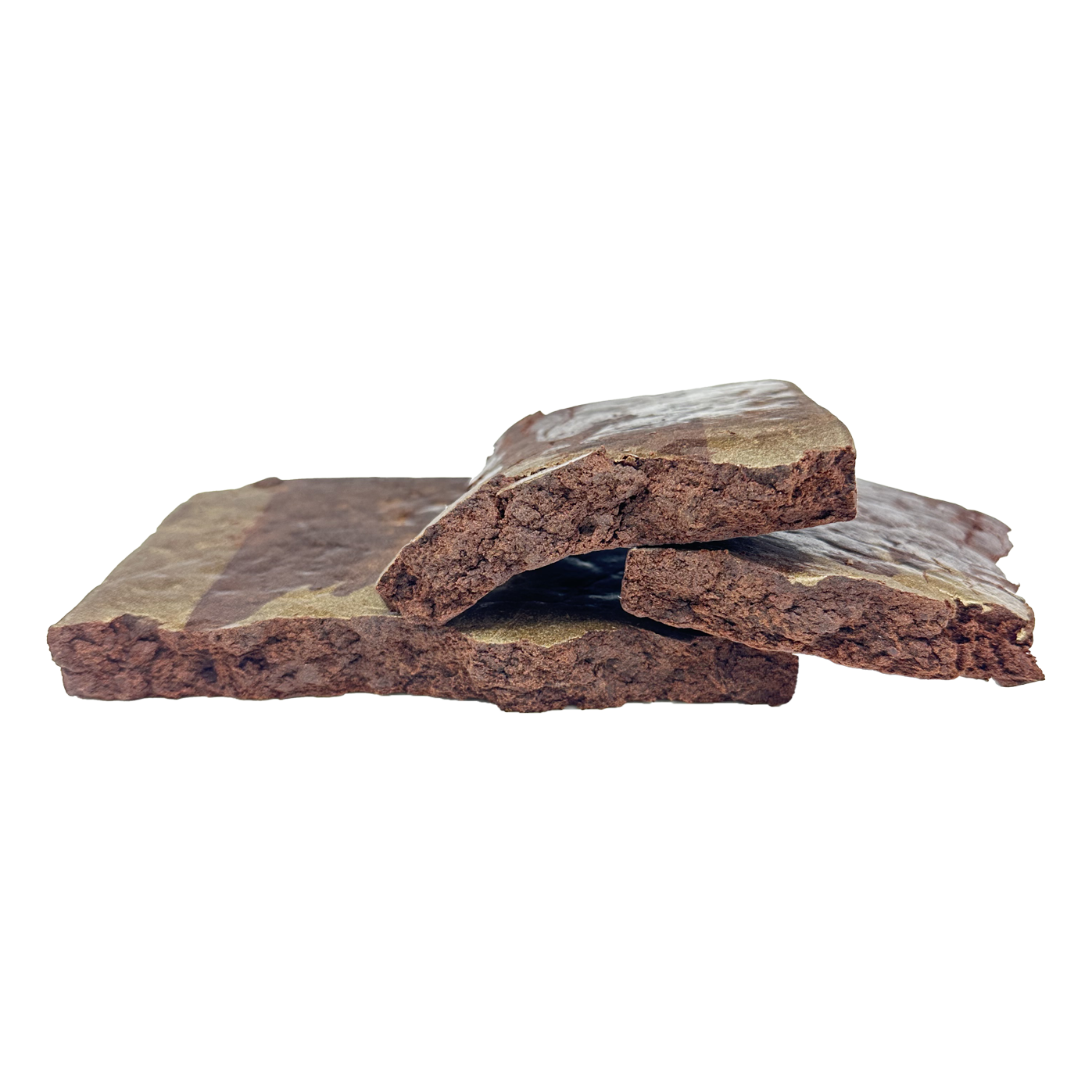
Red Lebanese is the product of maximum patience. The plants are left in the field until the absolute end of the season, absorbing maximum UV light. The pistils and trichomes turn a deep amber-red, and the THC oxidizes heavily.
- Texture: Brittle but slightly more resinous than Blonde. Breaks apart easily.
- Flavor: Deeply robust, heavy, and spicy. Expect notes of black pepper, dark earth, and aged wood.
- Effects: The undisputed heavyweight. It packs a massive physical punch, delivering deep, narcotic-like relaxation, incredible pain relief, and couch-lock.
So, which is the best? While Blonde is a spectacular daytime smoke, when cannabis historians and veteran smokers talk about the legendary hash of the 1970s and 80s, they are almost universally referring to Red Lebanese. Its unique, sedating properties and intensely spicy flavor profile make it a crown jewel that every enthusiast should experience at least once.
Premium Red Lebanese
This is the undisputed best Lebanese hash in our collection. It features that highly sought-after brittle, powdery texture that breaks down instantly between the fingers without the need for a lighter.
The flavor profile is a masterclass in terroir—a complex mix of ancient cedar, dark Middle Eastern spice, and cracked black pepper. Perfect for those who need heavy medicinal relief from chronic pain or a nostalgic trip back to the golden era of imported hashish.
Shop Red LebaneseHow to Identify Authentic Top-Quality Lebanese Hash
Because the demand for vintage imports is so high, the market is unfortunately flooded with "Lebanese-style" domestic imitations. These are often made using modern extraction techniques and artificially colored or flavored. When shopping for the best Lebanese hash, use your senses to look for these three key indicators of authenticity:
- The Texture Test: Authentic Lebanese (especially Red) should feel brittle, powdery, and slightly sandy. It should not be sticky, wet, or intensely gummy like an Afghan hash. You should be able to crumble a piece off effortlessly between your thumb and index finger without applying a lighter to soften it.
- The Aroma & Smoke: Real Lebanese produces a very thick, heavy, almost "white" smoke. The aroma is never fruity, sour, or skunky like modern American cannabis. Instead, it has a distinctively spicy, incense-like, woody aroma that instantly fills a room.
- The Burn (The Ash Test): It should burn slowly and evenly. If your hash sparks, sizzles loudly, or leaves behind a hard, black, oily residue (chazz), it is likely contaminated with plant matter, residual moisture, or chemical additives. Pure, well-sifted Lebanese hash will burn clean, leaving behind a soft, light gray or white ash.
The Best Ways to Smoke Lebanese Hash
Because Lebanese hash is fundamentally a dry-sifted product, it contains a microscopic amount of plant matter. This means it is not a full-melt concentrate and should never be dabbed in a quartz banger, as it will leave a charred mess. Instead, stick to traditional methods:
- Topping a Bowl: Because Lebanese is so powdery, it is arguably the best hash in the world for "crowning." Simply pack a bowl of flower and sprinkle the crumbled hash dust evenly over the top. It significantly boosts the THC and CBN levels of your session.
- The Hash Joint: Due to its brittle nature, it mixes flawlessly with ground flower. It won't clump up or block airflow, ensuring a slow, even-burning, highly potent joint.
- Traditional Pipe (Chillum): For the purists, smoking it straight out of a small glass, wood, or clay pipe over a metal screen allows you to experience the pure, unadulterated cedar and spice flavor profile.
Experience Authentic Beqaa Quality
Don't settle for "Lebanese-style" domestic imitations or cheap commercial knock-offs. Experience the real thing. Sourced from traditional producers, our Red Lebanese is the absolute gold standard for Canadian connoisseurs seeking nostalgic flavor and heavy medicinal relief.