

How Do You Make Weed Cookies? A Clear, No-Nonsense Guide
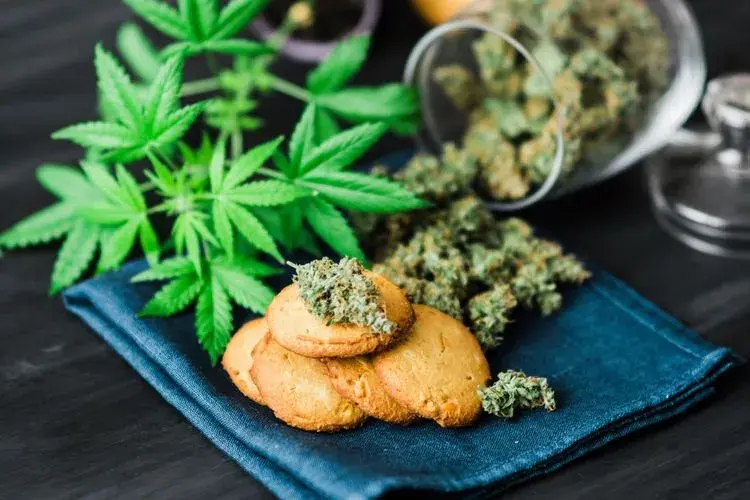
If you’re searching “how do you make weed cookies,” you’re really asking three smaller questions: how to activate the flower, how to turn it into an infusion (the famous cannabutter, sometimes called dope butter or “butter cannabutter”), and how to bake a cookie that tastes great and delivers a predictable dose. This long-form guide answers all three in plain language, then finishes with a dependable chocolate-chip formula and optional variations. The tone here is informational—follow it as written or adapt it to your preferences.
Legal reminder: make and consume cannabis edibles only where it’s legal and for adults of legal age. Edibles can be strong; start low and go slow.
The Big Picture: From Plant to Cookie
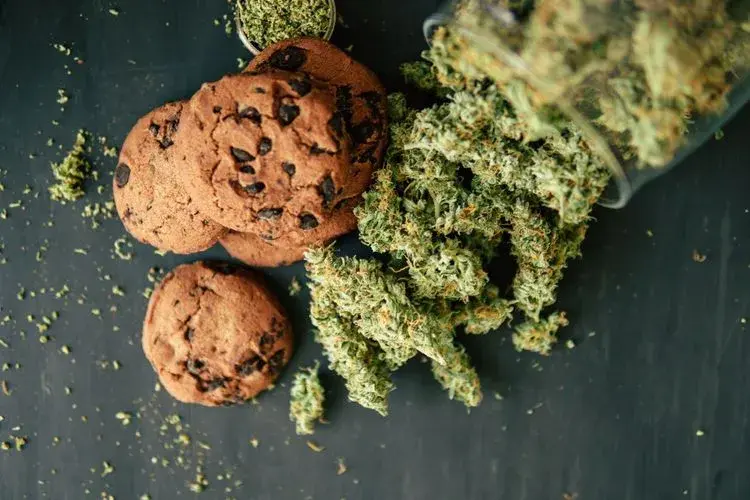
Great homemade weed cookies come from a simple workflow. Dried cannabis contains mostly THCA, which isn’t intoxicating until it’s converted to THC by heat. That activation step is called decarboxylation. Once activated, the cannabinoids need fat to bind to—hence cannabutter or cannabis oil. When the infusion is finished, you’ll know approximately how many milligrams of THC you have in the butter, you’ll fold that into cookie dough, and you’ll portion the dough so each cookie delivers a consistent, repeatable dose. The magic is in quiet details: gentle heat, patient straining, and a little math.
Step 1 — Decarboxylate (Activate) the Flower
Set your oven low and slow. A reliable home kitchen target is 240°F (115°C). Lightly break up the flower so the heat can move through it, but don’t grind to dust; too-fine particles are harder to strain later. Spread the cannabis in a single layer on a parchment-lined tray and bake for about 40 minutes, stirring once. If your oven runs hot, back down to 220–230°F (105–110°C) and extend the time to 50–60 minutes. Proper decarb smells toasty and herbal, not scorched.
What’s happening chemically? THCA loses a carboxyl group (CO₂) under heat, becoming THC. Overshoot the temperature and you’ll drive off terpenes and push THC toward degradation; undershoot and your cookies will be weak. The low-and-slow window above is forgiving and works for most home ovens.
Step 2 — Make Cannabutter (a.k.a. Dope Butter)
You can infuse either butter or oil. Butter tastes classic in cookies and binds well to cannabinoids; coconut oil is an excellent dairy-free alternative. The gentler your heat, the cleaner the flavour.
Stovetop/double-boiler method: Place 1 cup (225 g) unsalted butter and 1 cup water in a small pot and melt over low heat. Stir in the decarboxylated cannabis (7 g is a handy starting amount). Keep the mixture at a bare simmer—hot enough to move, never boiling vigorously—for 2 to 3 hours, stirring occasionally. The water buffers temperature and prevents scorching. Strain through a cheesecloth-lined strainer into a bowl, then chill. The butter will solidify on top; lift it off, pat it dry, and you’ve got cannabutter.
Prefer less aroma? Tuck the decarbed flower and melted butter into a mason jar, close it fingertip-tight, and set the jar in a barely simmering water bath for the same 2–3 hours. This “jar-in-pot” method minimizes kitchen smell and helps hold a steady temperature.
People often ask how to make dope butter “the best way.” The answer is gentle heat, patience, and clean straining. If you simmer too hot, you’ll cook plant flavours into the fat and risk a harsher cookie. If you rush straining and squeeze the cloth aggressively, you’ll press chlorophyll into the butter. Let gravity do most of the work.
Step 3 — Potency Math You’ll Actually Use
You don’t need a lab to dose edibles sensibly. Use this simple estimate:
Total mg THC in infused butter ≈ grams of cannabis × THC% × 1000 × extraction efficiency.
Extraction efficiency for a careful home infusion typically lands around 75–85%. So if you decarb 7 g of flower at 18% THC and infuse well, your ballpark is:
7 × 0.18 × 1000 × 0.80 = 1008 mg THC in 1 cup cannabutter.
You won’t always use the full cup. If your cookie recipe uses ½ cup of that cannabutter and yields 24 cookies, the batch carries about 504 mg total, or ~21 mg per cookie. Want 5–10 mg cookies instead? Swap half the cannabutter for regular butter, make more cookies, or infuse with a lower-THC flower. If you don’t know your THC percentage, assume a conservative 10–12% for a first run and design cookies in the 3–7 mg range. Label clearly.
Step 4 — Make the Cookies (Classic Chocolate Chip)
This formula is forgiving, masks herb notes beautifully, and works with either butter or coconut oil. It’s also easy to tweak for chocolate chip weed cookies that are chewier or crisper.
What you’ll use (24 modest cookies):
½ cup cannabutter (softened), ½ cup regular unsalted butter (softened), ¾ cup brown sugar, ½ cup white sugar, 2 large eggs, 2 teaspoons vanilla, 2¼ cups all-purpose flour, 1 teaspoon baking soda, ¾ teaspoon fine salt, and 1½ cups chocolate chips.
Cream the butter(s) with the sugars until fluffy; you’re dissolving sugar crystals, adding air, and building structure. Beat in the eggs one by one, then vanilla. Whisk the flour, baking soda, and salt; add this mixture to the bowl and mix just until no dry pockets remain. Fold in the chips. Chill the dough for 20–30 minutes if you want a thicker cookie that spreads less; skip chilling for a thinner, crisper edge. Scoop walnut-sized mounds onto parchment-lined sheets and bake at 350°F (175°C) until edges set and centers are just pale—usually 9–11 minutes. The carryover heat will finish the middle without drying it out. Cool on the tray for a few minutes before moving to a rack.
Taste the first cookie once it’s fully cooled and note the texture and flavour. If you can clearly taste the infusion, next time bump the vanilla, add a teaspoon of espresso powder, or brown part of the non-infused butter to layer in nutty sweetness. A pinch more salt (⅛–¼ tsp) also rounds out any grassy edge.
Not into Dairy? Use Cannabis Oil
Everything above works with coconut oil or light olive oil. For doughs that expect softened butter, melt the oil and let it cool until it’s thick but not fully solid. Because oil-based doughs can feel drier, an extra egg yolk restores tenderness. Vegan bakers can swap the eggs for a flax egg (1 tablespoon ground flax mixed with 3 tablespoons water, rested until gelled).
Dosing the Finished Cookies (Start Low, Go Slow)
Edible onset varies—anywhere from 30 to 120 minutes—and the experience can last 4–8 hours. Plan your first taste when you don’t have obligations. For new or sensitive users, 2.5–5 mg THC is a reasonable start; more experienced users often settle into 5–10 mg. Eat a normal meal first, drink water, and resist stacking doses before two hours have passed. If you overdo it, ride it out in a calm environment, hydrate, and consider a small dose of CBD, which some users find steadies the feel.
Texture Troubleshooting Without the Guesswork
If your cookies spread into puddles, the butter was too warm or your oven too cool. Chill the dough and verify the temperature with an oven thermometer. If they baked up cakey, you probably packed the flour; spoon and level into the measuring cup rather than scooping. Dry cookies come from over-baking—pull them when the edges set and the centers still look slightly underdone; they’ll finish on the tray.
Harsh or “green” flavour almost always points back to too-hot decarb or infusion. Next time, lower the heat, extend the time a little, and avoid wringing the cheesecloth. You can also water-wash the infusion: once you’ve chilled the strained butter, re-melt it gently with fresh water, chill again, and discard the new water. This rinses out some water-soluble compounds that carry bitterness.
Storage, Freezing, and Labeling
Edibles demand good labeling. Keep cookies in an airtight container, clearly marked with the dose per cookie and a “for adults only” note. At room temperature they’re happiest for 3–4 days; in the fridge they’ll hold up to two weeks. Baked cookies and unbaked dough balls both freeze well for two to three months. To refresh texture, re-warm a cookie at 300°F (150°C) for three or four minutes.
Variations That Work
Once you’ve nailed the base, it’s easy to branch out without wrecking the dose.
- Double-chocolate: trade ¼ cup of flour for cocoa powder and use chocolate chunks.
- Oatmeal cherry: swap 1 cup of the flour for rolled oats and fold in dried cherries plus white chocolate.
- Brown-butter twist: brown the non-infused butter first; cool to room temp, then cream with the cannabutter for a toffee-like depth that masks herbal notes.
Because your cannabutter carries the dose, any cookie style that keeps the fat amount and yield similar will keep dosing consistent. If you change either of those, redo the potency math.
What About Weed Brownies?
The exact same activation and infusion steps power excellent weed brownies. Brownie batter is even more forgiving than cookie dough and its chocolate intensity naturally smooths out the herb profile. Use your cannabutter in a classic fudge-style recipe, keep bake time conservative so the middle stays moist, and cut the pan into known portions (16 or 24 squares) so your per-piece dose matches your plan.
Frequently Asked (and Actually Useful) Questions
Can I skip cannabutter and just stir ground cannabis into dough?
Only if it’s properly decarbed and you don’t mind a rough texture and uneven dosing. Infusing into fat first gives smoother flavour and much more consistent cookies.
How precise is the potency math?
It’s an estimate because home ovens, THC percentages, and extraction efficiencies vary. Treat your first batch like a calibration run. If the cookies land stronger or lighter than expected, adjust the butter ratio or batch size next time.
What’s the difference between cannabutter and “dope butter”?
Nothing—both are colloquial names for butter infused with activated cannabis. People also call it butter cannabutter for emphasis. The principles are the same.
How do I make good weed cookies without my kitchen smelling like a grow room?
Use the mason-jar water bath or a small slow cooker and keep the lid on. Run your oven fan for the 40-minute decarb, and time baking when windows can be opened for a few minutes.
A Reliable Starter Plan (Putting It All Together)
- Decarb 7 g of flower at 240°F for 40 minutes.
- Infuse with 1 cup butter at a bare simmer for 2–3 hours; strain and chill.
- Estimate potency using the THC% from your flower label; aim for 5–10 mg per cookie.
- Bake the classic dough with ½ cup cannabutter and ½ cup regular butter for 24 cookies, or adjust the ratio to hit your target dose.
- Label and store responsibly; test one cookie and take notes for your next batch.
Follow that loop and you’ll move from “how do you make weed cookies?” to “these are the best weed cookies I’ve ever made,” because you’ll control every variable that matters: activation, infusion, flavour, and dose. Once you’re comfortable, swap in new flavours, try a vegan oil-based dough, or apply the same process to weed brownies. The craft is the same; the results are delicious—and repeatable.