Shop at The Natural Remedy
for top shelf BC Buds
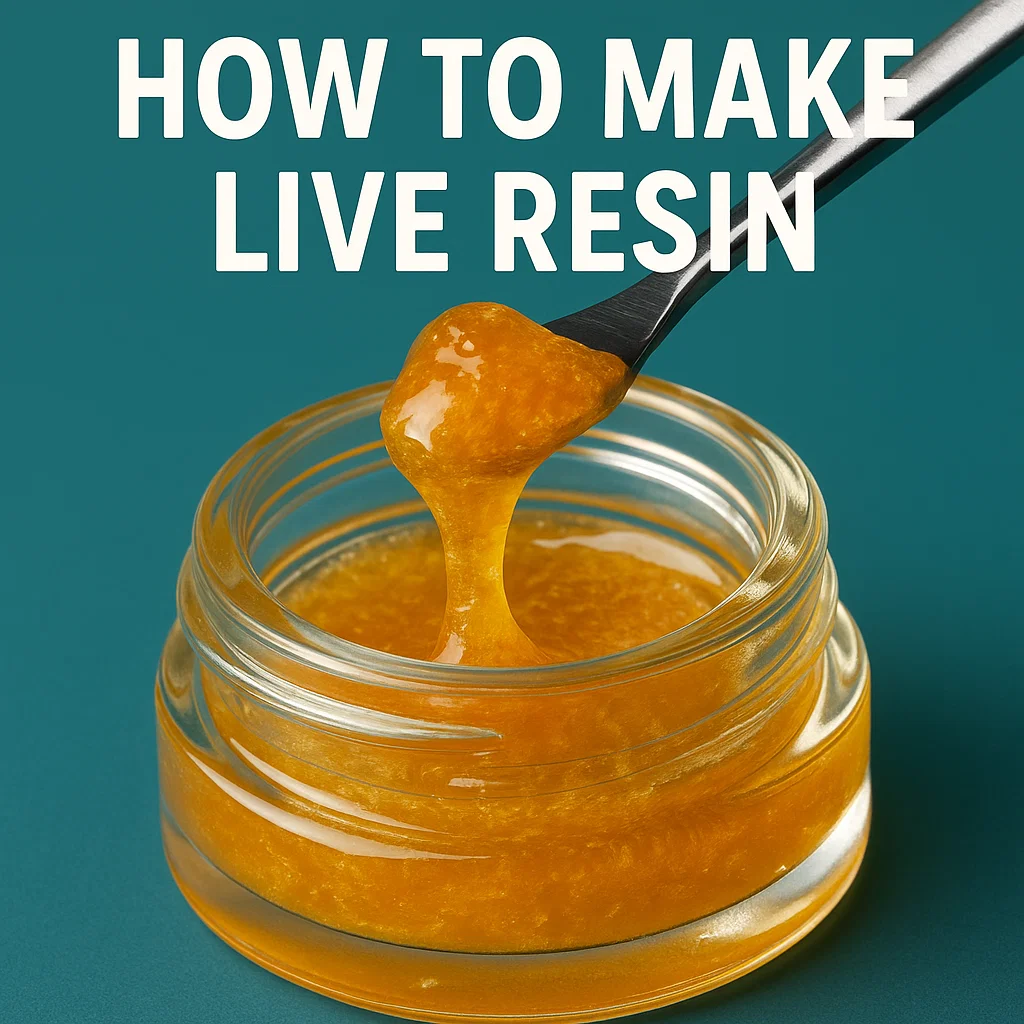
Live resin sits at the center of modern cannabis culture because it captures something flower lovers have always chased: the true, living aroma of a fresh plant. When you pop open a jar of quality live resin, you don’t smell “cannabis in general”—you smell a strain’s personality in high definition. That terpene fidelity is why people wonder how to make live resin, how do you make live resin for vape carts, or even how to make live resin edibles. This guide gives you a comprehensive, plain-English explanation of what live resin is, how it’s produced at licensed facilities, how products like live resin carts and diamonds are made from it, and how to choose and use it responsibly. It is not a step-by-step at-home extraction tutorial—working with explosive solvents is both dangerous and often illegal outside of licensed environments. Instead, you’ll learn what professionals do and how you, as a consumer, can enjoy live resin safely through vetted products.
Live resin is a cannabis extract made from freshly harvested plant material that’s frozen immediately after cutting. This flash-freezing locks in the plant’s volatile aromatic molecules (terpenes) and its acidic cannabinoids (like THCA and CBDA) before time, oxidation, and heat can degrade them. Because the resin is produced from “live” terpene profiles instead of long-cured or overly dried inputs, the resulting extract tends to taste brighter, more complex, and more strain-accurate than many conventional concentrates.
If you’ve ever compared a jar of dried herbs in your pantry to a bunch of fresh herbs from the garden, you’ve already grasped the idea. Live resin preserves that just-picked vibrancy.
At a high level, how live resin is made looks like this:
That’s the industrial picture. The take-home message: it’s chemistry under strict engineering controls. Attempting hydrocarbon extraction in a non-rated environment is a fire and health hazard and is illegal in many jurisdictions. If you’re interested in solventless options you can do at home, look into rosin pressing fresh-frozen hash—but that’s a different product (live rosin) and outside this article’s scope.
“Resin weed” is a casual phrase people use for any sticky concentrate. Live resin is specific: fresh-frozen input + hydrocarbon extraction. It’s not the same as live rosin (which is fresh-frozen ice-water hash pressed with heat and pressure, no solvents) or distillate (which isolates THC and has fewer terpenes until they’re reintroduced). The reason enthusiasts chase live resin is the full-spectrum terpene + cannabinoid ensemble that can feel closer to the original flower.
If you prefer a solventless path or want gentler experiences, browse balanced oils and edibles. For example, a classic starting point is a well-made CBD oil such as TNR Pure CBD Oil or the balanced TNR 1:1 CBD:THC Oil. These aren’t live resin, but they’re predictable, versatile, and easy to dose.
When people ask how to make live resin diamonds, they’re referring to THCA crystallization. In licensed labs, a carefully saturated, winterized live resin solution is sealed and left under controlled conditions. Over days to weeks, THCA molecules organize into crystals (the “diamonds”), while aromatic terpenes separate into a liquid phase called HTFSE (high terpene full spectrum extract). The two are often jarred together as “diamonds and sauce,” giving a potent yet flavorful dab. Again, this crystallization is done in rated equipment with pressure-rated vessels and thorough solvent recovery, not in a kitchen.
A live resin vape cartridge is simply a cart filled with decarboxylated or partially decarbed live resin—usually blended to a suitable viscosity. Because the terpene fraction is naturally present, manufacturers don’t need to add botanical flavorings to achieve strain-specific taste. Many people report a fuller, “truer” profile compared with standard THC distillate carts. If you want something ready to go, check out curated vape sections such as Vapes or solvent-based extracts like Ivory Extracts Live Resin and Golden Monkey Extracts — Live Resin when available.
Yes, and this is where two common questions show up: how to make edibles with live resin and how to make live resin edibles. Live resin can be incorporated into foods after it’s properly decarboxylated (THCA → THC) and dispersed into a fat or syrup. Because live resin often carries a richer terpene bouquet than distillate, edibles made with it may taste more “strain-true.” That said, most home cooks prefer more straightforward inputs like tinctures and infused oils for accurate dosing—think CBD tinctures, THC tinctures, or MCT-based oils. These are easy to drizzle into batters and beverages and safer than tinkering with concentrates you’re not accustomed to.
Want premade options that deliver consistent potency? Explore Edibles → Soft Chews or balanced sweets like CBD edibles.
If you’re not planning to operate a licensed lab (and most readers aren’t), the practical question isn’t how do you make live resin at home but how to choose good live resin. Here’s what matters:
Dabbing: The classic method. Warm your rig to an appropriate temperature (often 500–550°F / 260–290°C for flavor; your gear may vary), place a small amount of live resin on the banger, and inhale gently. Lower temps preserve terpenes. Start small, wait, and assess. Live resin can be potent.
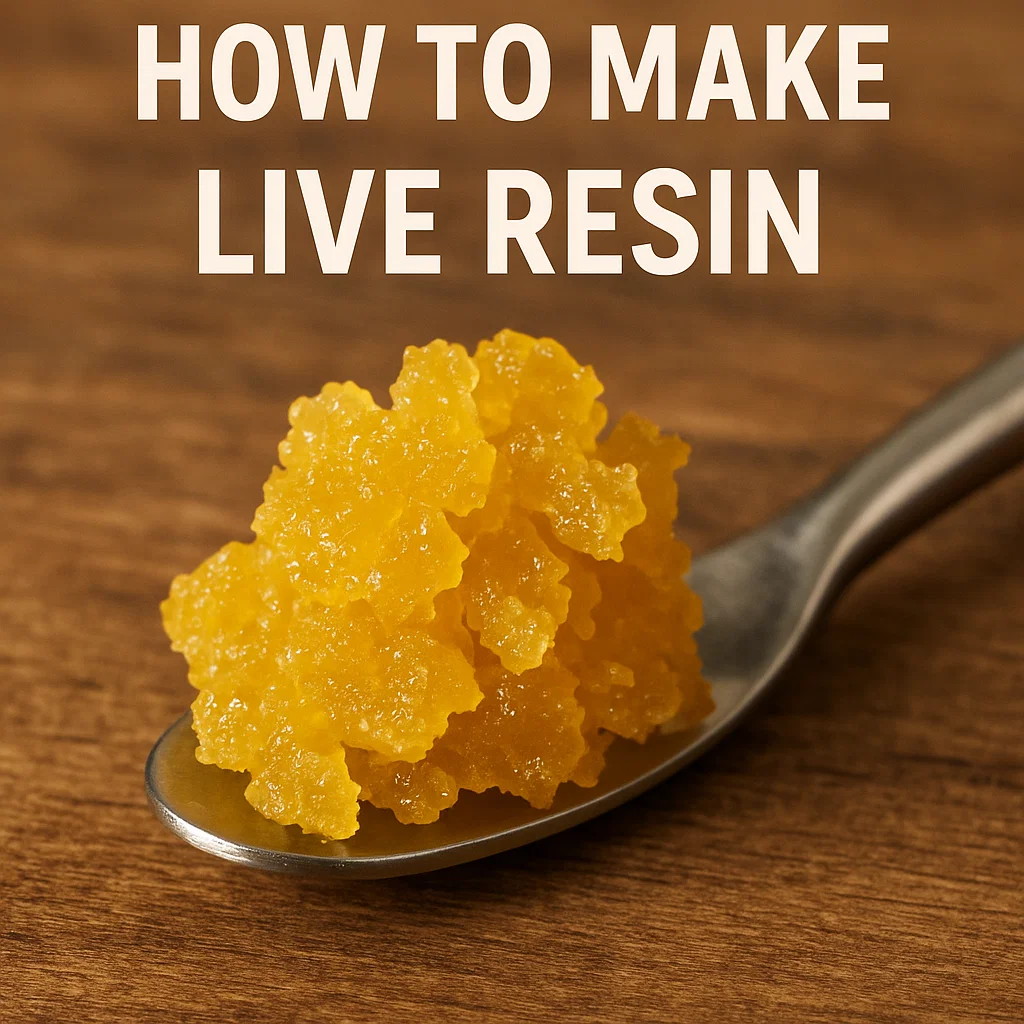
Carts: For convenience, live resin carts shine. They marry a true-to-strain flavor with easy dosing. Keep your voltage low to protect terpenes and battery life. If you need hardware, browse vape accessories and batteries in the Vapes category.
Edibles and beverages: If you do craft with concentrates, treat live resin like a potent flavor extract: decarb first, then disperse evenly into a carrier fat or syrup, and portion carefully. For many people, a simpler path is using ready-to-dose tinctures—e.g., Boost THC Tincture (Sativa) or a restful Mota 1:1 Sleep Tincture—and adding them to mocktails, drizzles, or sauces.
Working with hydrocarbon solvents like butane and propane is extremely hazardous without a certified, explosion-proof extraction room, trained staff, and local permits. Unvented vapors can ignite from static electricity. Purging solvents improperly can leave residues you don’t want to inhale or eat. That is why this guide focuses on what licensed facilities do, not instructions for home chemistry.
If you want hands-on crafting at home, solventless projects—like infusing Canna-Oil for simple cooking or using CBD tinctures to make gummies—are the safer and legal way to experiment. You still need to follow your provincial rules and always keep cannabis away from kids and pets.
Live resin’s selling point—its terpene richness—also makes it delicate. To preserve that vibrancy:
Handled well, live resin can keep its magic for months.
Because live resin can test high in THCA/THC and terpenes, newcomers should start low and go slow. A rice-grain-sized dab can be plenty. For carts, one or two short puffs may be enough. For edibles, wait at least two hours before considering more. If your goal is calm clarity rather than intensity, consider balancing THC with CBD—something as simple as adding a few drops of CBD tincture alongside your session.
How do you make live resin?
Professionals harvest fresh plants, flash-freeze them, and run them through a closed-loop hydrocarbon extractor in a rated lab. Solvent is recovered, the extract is purged, and the texture is finished (sauce, badder, sugar, diamonds). It’s a controlled industrial process.
How to make live resin carts?
Manufacturers decarb or partially decarb live resin, standardize viscosity, and fill cartridges in clean rooms. They may add native strain terpenes from the same batch to optimize flow and flavor. This is not a kitchen project—use reputable, tested cartridges from trusted retailers in the vapes section.
How to make live resin diamonds?
Diamonds are grown by allowing a saturated live resin solution to crystallize THCA in pressure-rated vessels. The crystals are stored in their own terpene “sauce.” This is a lab-only workflow.
How to make edibles with live resin / how to make live resin edibles?
You can cook with live resin after proper decarboxylation and dispersion into a carrier, but accurate dosing is tricky. Many home cooks opt for THC oils or CBD oils for consistent results—or choose ready-to-enjoy soft chews that list milligrams per piece.
What is live resin vape?
A cartridge filled with a live-resin-based concentrate formulated for vaporization. Users like it because it retains the strain’s natural terpene profile, unlike generic distillate that needs added flavoring.
Live resin isn’t the only path to great flavor or effects. If you want the loud, strain-true experience, look for reputable live resin jars or carts and treat them like a fresh spice—store them well and use thoughtfully. If you want simplicity and predictability, tinctures and oils are easy to measure and blend into your day, and edibles offer grab-and-go consistency. Here are a few jumping-off points:
If you came here asking how to make live resin or how is live resin made, the honest answer is that it’s advanced extraction performed in licensed, safety-rated labs. The process uses freezing, closed-loop hydrocarbon systems, meticulous solvent recovery, and patient post-processing to coax out the living character of a strain. While that’s not something to replicate at home, you can absolutely enjoy the results by choosing tested products from trusted sources—and by storing, dosing, and using them thoughtfully.
If you’d like live resin flavor with zero lab equipment in your life, pair a favorite flower with convenient options like THC oils or explore the many edibles that fit your routine. However you partake, keep it legal, keep it safe, and savor the plant at its most expressive.
No account yet?
Create an Account