

What Is CBN
What Is CBN
Last updated: June 6, 2026
TL;DR
CBN (cannabinol) is a minor cannabinoid that forms when THC oxidizes. Aged cannabis has more CBN than fresh flower. It is mildly psychoactive (about 25% the potency of THC) and is best known as the “sleep cannabinoid” because most products combining CBN with THC produce a heavy, sedating body high. The science on CBN-only sleep effects is thin – most of the sedation actually comes from the THC and terpenes it pairs with.
What is CBN?
CBN is cannabinol, a cannabinoid that does not exist in the live cannabis plant. It forms slowly as THC is exposed to heat, light, and oxygen over time. Old flower, sun-damaged extract, or improperly stored hash will test higher in CBN than fresh product. The conversion is a one-way oxidation – THC degrades into CBN, never the reverse. This is why CBN levels in a sealed batch slowly climb while THC potency slowly falls.
How is CBN different from CBD and THC?
Three different molecules, three different effect profiles:
- THC – strong CB1 agonist, fully psychoactive, drives the cerebral high
- CBD – low CB1 affinity, non-psychoactive, modulates THC effects
- CBN – weak CB1 agonist, mildly psychoactive at about 25% the strength of THC, often paired with other cannabinoids for sedation
The cannabinoid profile of any flower or extract is what shapes the experience – CBN on its own is the quietest of the three.
Does CBN actually help you sleep?
This is the most-asked question and the answer is more nuanced than CBN marketing suggests. The famous “CBN sleep” reputation traces back to a 1975 study (Karniol) that combined CBN with THC – the sedation came from the combo, not CBN alone. Modern controlled trials of pure CBN show only mild sedative effects, comparable to a low-dose THC or a light antihistamine. Most “sleep gummies” sold as CBN products actually combine 5-10 mg CBN with 2-5 mg THC plus sedating terpenes like myrcene and linalool – that blend works, but the CBN is not doing all the heavy lifting.
What dose of CBN should you take?
For sleep purposes, common formulations land at 5-15 mg CBN, almost always paired with 2-5 mg THC and a sleep-friendly terpene blend. Pure CBN isolate at 25-50 mg produces noticeable drowsiness but lacks the body relaxation that the THC pairing adds. Higher doses do not improve sleep quality – they just extend grogginess into the next morning. Start at 5 mg and titrate up by 2.5 mg per night.
How long does it take to work?
Oral CBN (tinctures, gummies, capsules) onset is 45-90 minutes – the same first-pass metabolism delay as oral THC. Sublingual under-the-tongue tinctures speed onset to 20-30 minutes. Inhaled CBN (rare – most flower is too fresh) would work in 5-10 minutes but is not a practical delivery method. Plan around the onset curve: take it 60-90 minutes before bed.
Is CBN psychoactive?
Mildly. Pure CBN binds CB1 receptors at about 25% the potency of THC. At functional doses (5-25 mg), most users feel only sedation and slight body heaviness with little or no cerebral high. At 50+ mg pure CBN, mild psychoactive effects appear – dreamy headspace, slowed thinking. The combined CBN+THC sleep products feel stronger than CBN alone because the THC is doing the actual head-and-body high while CBN tilts it toward sedation.
Will CBN show up on a drug test?
Standard workplace urine drug tests look for THC-COOH (the THC metabolite), not CBN. Pure CBN should not trigger a positive. The catch: most CBN products contain small amounts of THC (legally up to 0.3% in industrial hemp products, often higher in cannabis-store products). If you are subject to testing, choose CBN isolate products with verified COAs showing zero THC.
What does the entourage effect have to do with it?
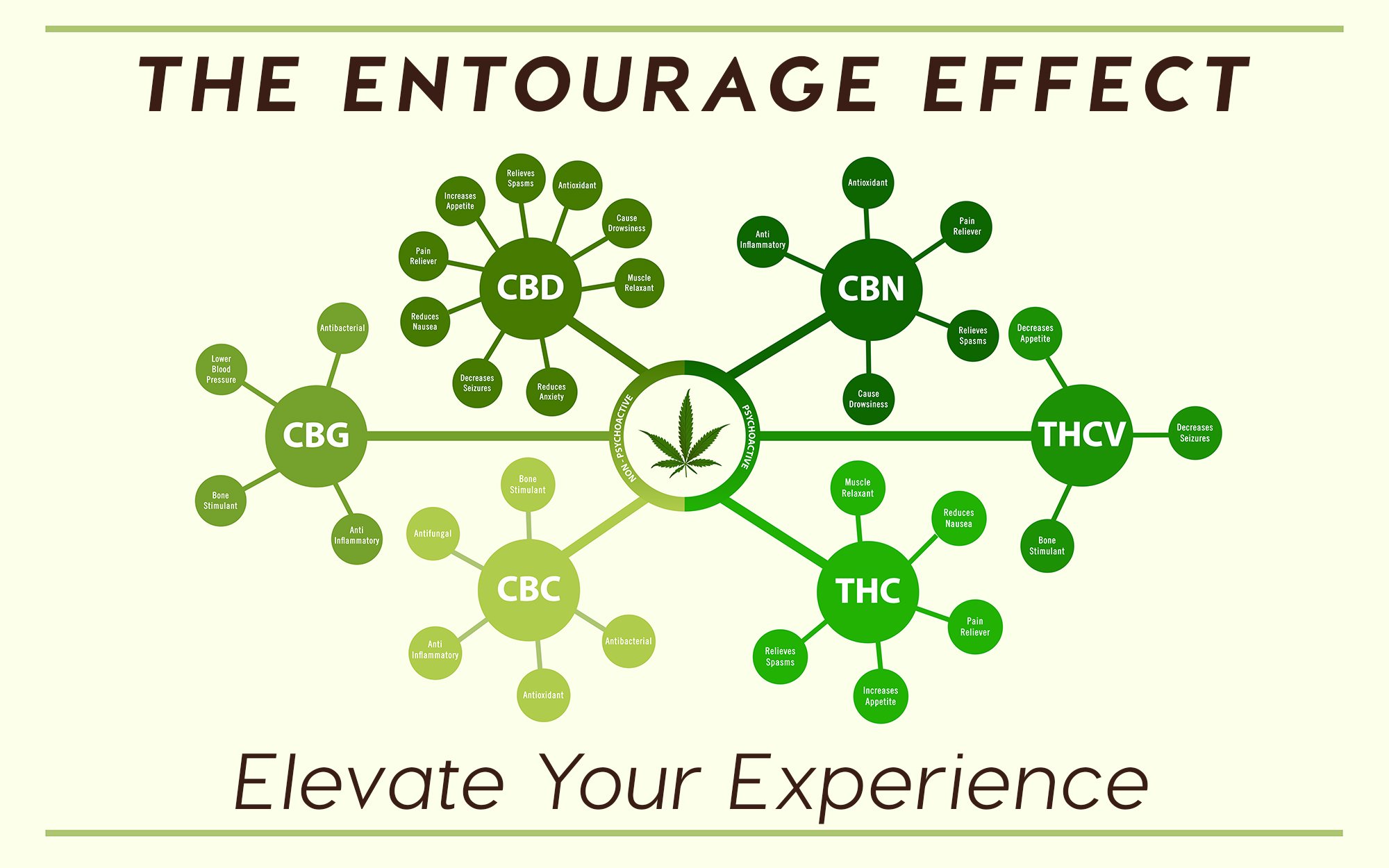
The entourage effect is the theory that cannabinoids and terpenes work better together than alone. CBN is a textbook example – the sedating reputation comes from the entourage of THC, myrcene, linalool, and terpinolene that surrounds it in finished products. Pure isolated CBN is much less impressive than its product packaging suggests. Full-spectrum extracts with naturally occurring CBN (aged hash, properly cured AAAA flower) often outperform CBN isolate dose-for-dose.
Where does CBN come from in cannabis?
Aged THC. Old flower stored at room temperature for 6-12 months can convert 10-20% of its THC to CBN. Old hash that has sat in warm conditions can test even higher. This is why some hash connoisseurs prefer aged Lebanese or Afghan import – the CBN buildup creates a heavier, sleepier high than fresh-press flower rosin. Our hash collection includes both fresh and properly aged imports for buyers who care about the difference.
What products contain CBN?
Three main categories on the Canadian market:
- CBN sleep gummies – 5-10 mg CBN plus low-dose THC, usually 2-5 mg per piece
- CBN tinctures – bottled with MCT or hemp seed oil, 25-50 mg per mL
- Aged hash and high-CBN flower – naturally elevated CBN from oxidation, see our oil and tincture collection for THC drops that can be combined with CBN products
Cured craft flower from Indica-leaning strains often tests at 0.5-1% CBN after 6+ months of curing – much higher than fresh-cured commercial flower.
Are CBN products legal in Canada?
Yes. CBN is not separately scheduled and falls under the Cannabis Act when sold in licensed cannabis products. Hemp-derived CBN with under 0.3% THC is sold through health-food channels. Full federal classifications are at Health Canada cannabis regulations. Possession limits and per-product caps apply the same way they do for THC and CBD products.
Sources
- Karniol IG, et al. Cannabinol and cannabidiol: their effects on man and their interactions with delta-9-tetrahydrocannabinol. Eur J Pharmacol, 1975.
- Russo EB. Taming THC: potential cannabis synergy and phytocannabinoid-terpenoid entourage effects. Br J Pharmacol, 2011.
- Corroon J. Cannabinol and sleep: separating fact from fiction. Cannabis Cannabinoid Res, 2021.
- Health Canada Cannabis Act and Regulations, 2024.