

Whats the Best Classic Hash?

What is the Best Classic Hash?
Rediscovering the Golden Age of Concentrates
The Old-School Experience
No solvents. No lab coats. Just pure, traditional, hand-pressed resin.
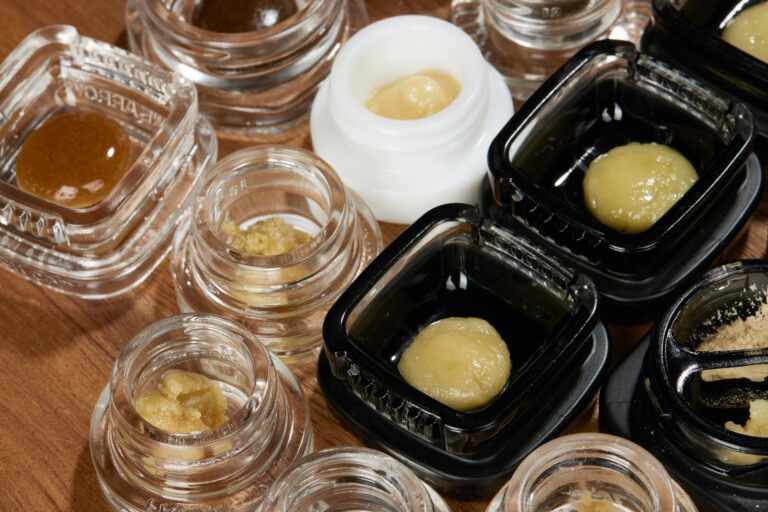
Walk into a modern cannabis dispensary today, and you might feel like you've stumbled into a pharmaceutical laboratory. You'll see shelves lined with alien-sounding products: live resin badder, THCA diamonds, terp sauce, and butane hash oil (BHO) testing at an eye-watering 95% THC. While these modern solvent extracts are undeniably potent, for many veteran smokers, they lack something fundamental: soul.
Long before the invention of closed-loop extraction systems and freeze dryers, there was Classic Hashish. For decades, the global standard of high-end cannabis wasn't green, fluffy flower—it was dark, earthy, densely pressed blocks of pure resin imported from the mountains of the Middle East, North Africa, and Central Asia. It was the stuff of legends, smuggled along the Hippie Trail, stamped with gold seals, and smoked off hot knives in basements across Canada throughout the 70s, 80s, and 90s.
Today, we are witnessing a massive cultural resurgence. Connoisseurs are turning their backs on one-dimensional, anxiety-inducing THC distillates and returning to the rich, complex, and deeply relaxing world of old-school hashish. But with so many domestic imitations flooding the market, the question remains: What is the best classic hash? At The Natural Remedy, we have spent years cultivating relationships with traditional hash makers to bring the authentic, old-school experience back to Canada. In this comprehensive guide, we'll explore what makes classic hash so special, the history behind the world's most famous regions, and which legendary blocks you need to try.
What Defines "Classic" Hash?
To understand what makes a hash "classic," you must understand what it is not. Classic hash is entirely solventless. It does not use butane, propane, CO2, or ethanol to strip the THC from the plant. Instead, it relies on ancient methods of mechanical separation.
The process begins by taking dried, cured cannabis plants and gently thrashing or rubbing them over fine silk or metal screens. The microscopic, resin-filled trichome heads break off and fall through the screen, collecting as a fine golden powder known as "kief."
But kief is not hash. To become classic hashish, this powder must be subjected to heat and immense pressure. Traditional hash makers use their body heat, hot water, or heated heavy metal plates to knead, press, and roll the kief. This mechanical friction breaks open the trichome heads, releasing the essential oils and binding the powder into a solid, cohesive, deeply aromatic brick.
"Classic hash is a living, breathing product. Unlike modern extracts that are flash-frozen to preserve bright, fruity terpenes, classic hash is deliberately aged and cured. This curing process oxidizes the resin, transforming the flavor from fresh and grassy into something deeply rich, spicy, and reminiscent of fine incense, leather, and dark wood."
The Chemistry of Nostalgia: Why Does It Feel Different?
If you've ever smoked classic hash, you know that the high feels entirely different than hitting a modern dab pen. The high from classic hash is famously described as "warm," "heavy," and "narcotic." It starts behind the eyes and slowly melts down your spine, erasing physical tension without immediately causing the severe paranoia or racing heartbeat often associated with 90% THC concentrates.
This unique feeling is the result of Cannabinol (CBN) and the Entourage Effect.
Because classic hash is sun-dried, aged, and pressed with heat, a small percentage of the active THC naturally degrades into CBN. CBN is a highly sedative, profoundly relaxing cannabinoid. When you combine this CBN with the preserved heavy, earthy terpenes (like Myrcene and Caryophyllene) and a full spectrum of plant lipids, you get a synergistic body-stone that modern, hyper-refined THC isolates simply cannot replicate. It is the ultimate medicine for chronic pain, insomnia, and deep stress relief.
The Golden Age of the "Hippie Trail"
You cannot talk about classic hash without talking about the Hippie Trail. During the late 1960s and 1970s, thousands of Western youths traveled overland from Europe, passing through Turkey, Iran, Afghanistan, Pakistan, and India. Along this route, they encountered cultures that had been perfecting the art of hash-making for centuries.
These travelers fell in love with the potent, exotic resins they found in the markets of Marrakesh, the Beqaa Valley, and Kabul. Soon, highly organized smuggling routes were established, and blocks of hash—often stamped with gold or red seals denoting their region of origin—began arriving in European and North American ports. For an entire generation of Canadian smokers, these imported stamped blocks were cannabis culture.
Let's break down the three most iconic styles of classic hash that defined this golden era, and the best modern representations you can buy today.
Moroccan Blonde Hash
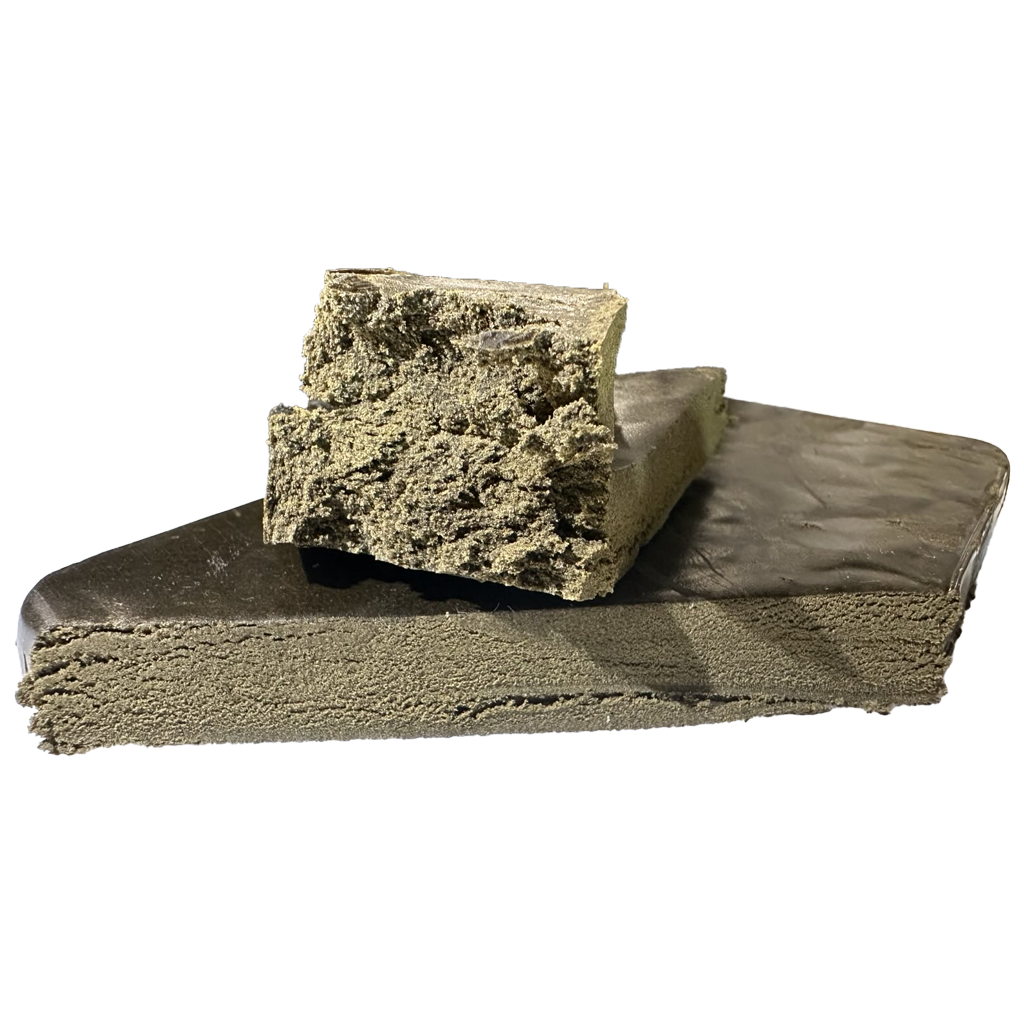
Morocco is historically the largest exporter of hashish in the world, and their dry-sift techniques are legendary. Moroccan Blonde (often referred to as Pollen Hash) is the quintessential classic daytime smoke.
Unlike the sticky, gummy hashes of Asia, Moroccan hash is famously dry, sandy, and crumbly. It is lightly pressed, resulting in a beautiful golden-yellow hue. It burns with an incredibly smooth, highly perfumed smoke that smells of sweet cedar and soft cocoa. The high is highly cerebral, active, and euphoric—perfect for socializing or creative work without the heavy couch-lock.
Shop Moroccan Blonde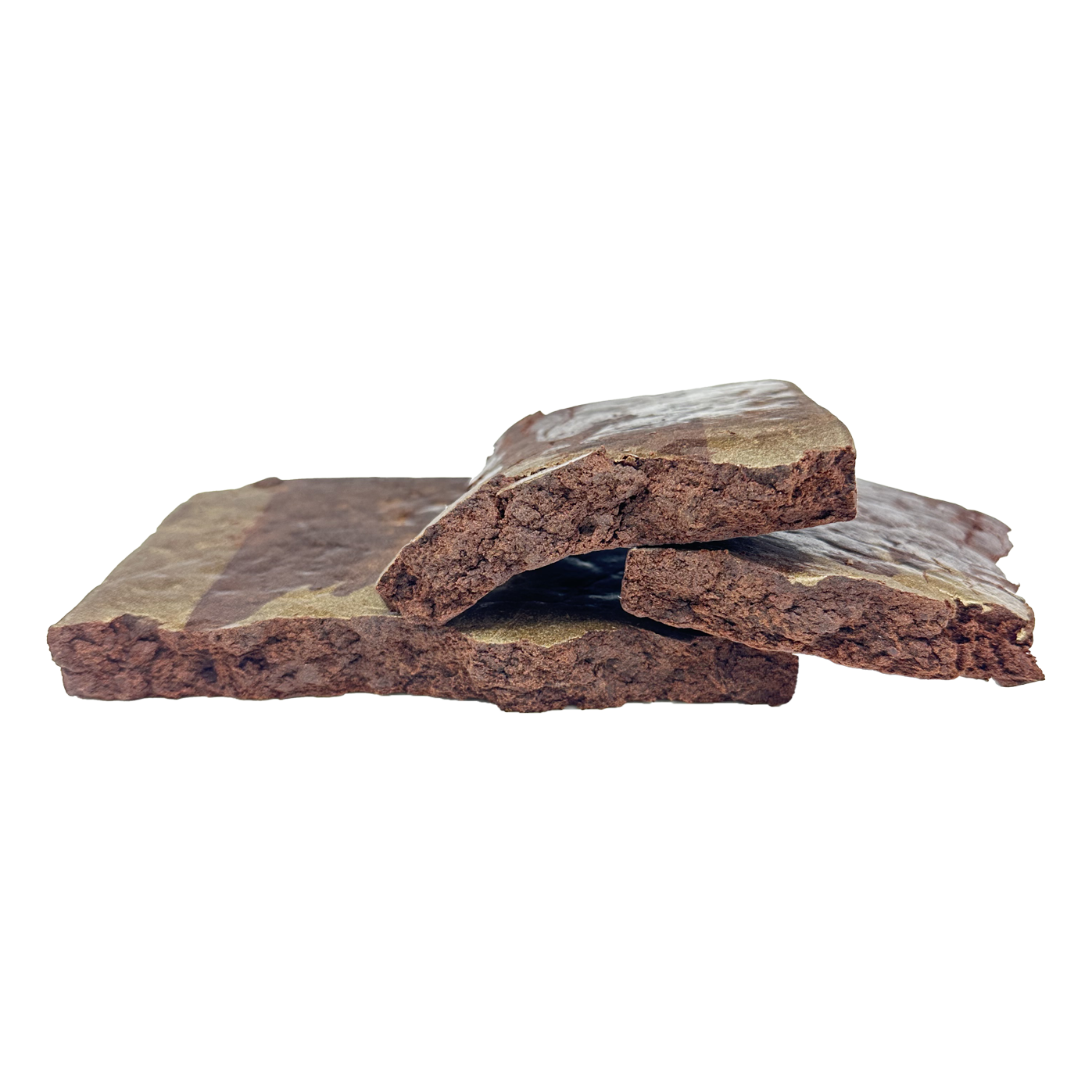
Red Lebanese Hash
Cultivated in the sun-drenched Beqaa Valley, true Lebanese hash holds a mythical status. The "Red" variety gets its iconic crimson hue because the plants are left in the fields to reach maximum maturity and absorb massive amounts of UV light before harvesting.
This late harvest allows the THC to naturally convert into a heavier, more relaxing profile while maintaining a brittle, powdery texture that is effortless to crumble over a bowl. It produces a thick, white smoke that smells strongly of ancient incense, dark earth, and spicy black pepper. It is the perfect bridge between uplifting Moroccan and heavy Afghan.
Shop Red LebaneseThe 90s Evolution: Amsterdam Coffeeshop Culture
As the Hippie Trail eventually closed down due to geopolitical conflicts in the 1980s, the epicenter of classic hash culture shifted to Europe—specifically, the booming coffeeshop scene in Amsterdam.
Dutch cultivators began applying traditional imported pressing techniques to their own high-quality, indoor-grown domestic cannabis. This created a new hybrid era of "Classic Hash." It looked, felt, and smoked like the old-school imports, but it utilized stronger, more stable European genetics. These firm, malleable, and incredibly clean-burning hashes became the staple diet for millions of tourists visiting the Netherlands in the 1990s and early 2000s.
Amsterdam Bulldog Hash
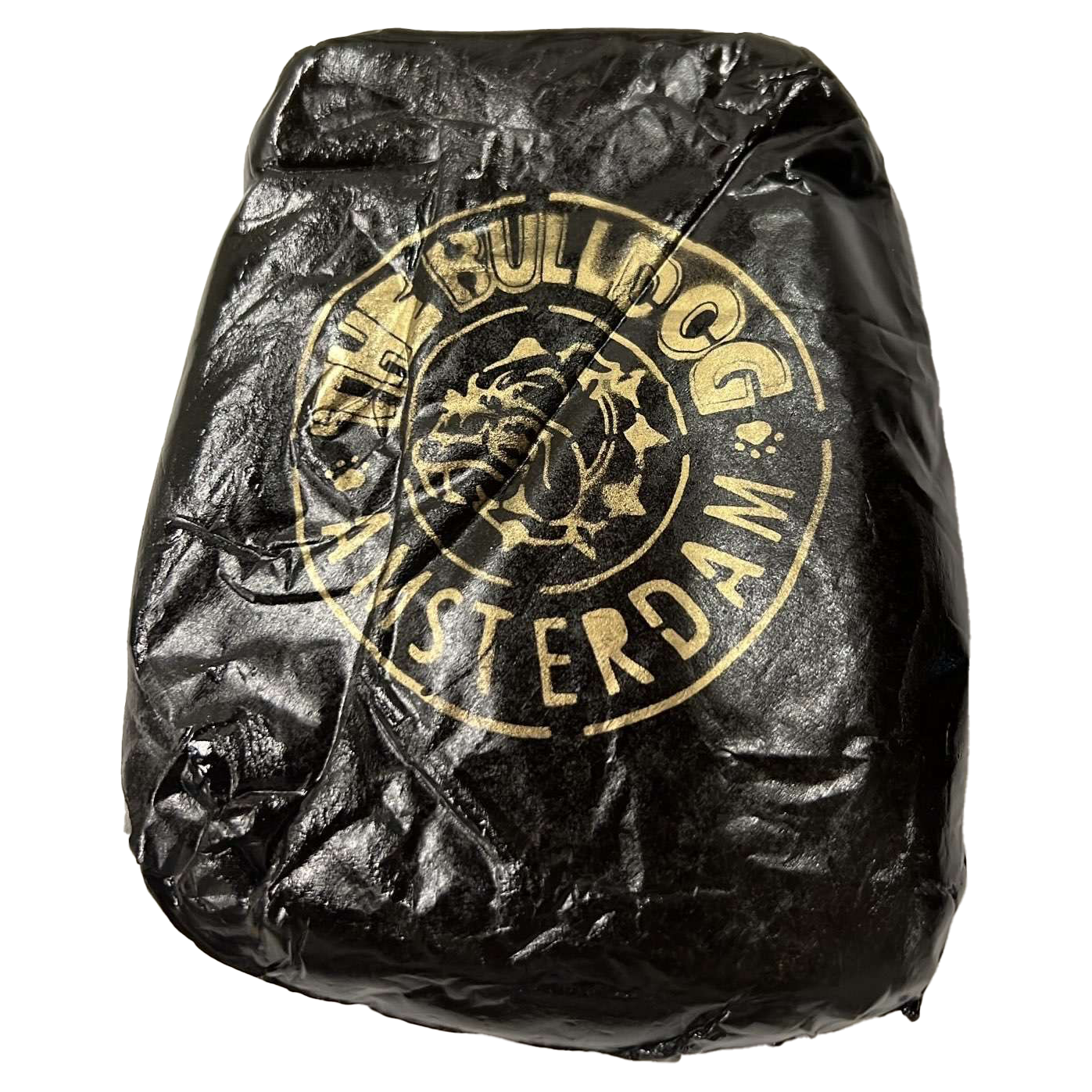
Named in honor of Amsterdam's very first and most iconic coffeeshop, this hash is a pure shot of 90s nostalgia. It represents the pinnacle of European-style domestic pressing techniques.
It features a firm but highly malleable texture that becomes delightfully easy to work with once exposed to a few seconds of body heat. It burns incredibly clean with a subtle, earthy, and slightly sweet aroma. Amsterdam Bulldog Hash is designed to be the ultimate "daily driver"—it provides a smooth, mellow, and highly reliable buzz that relaxes the body without completely shutting down your mind.
Shop Bulldog HashHow to Properly Smoke Classic Hash
If you are used to modern extracts, there is one golden rule you must remember: Do not put classic hash in a dab rig or a quartz banger. Because it is mechanically separated, it still contains microscopic amounts of plant fiber that will char and ruin your banger. Classic hash requires classic methods:
- The Spliff (Snake in the Grass): Roll your hash into a thin, long cylinder. Lay it down the center of a bed of ground cannabis flower or tobacco before rolling your paper. The flower acts as an ember, ensuring the hash burns slowly and evenly without dripping.
- Crowning a Bowl: For drier hashes like Moroccan or Lebanese, simply crumble the hash into a fine dust and sprinkle it evenly over a packed bowl of flower. When lighting, "corner" the bowl so the flame hovers just above the hash, allowing it to gently melt rather than scorch.
- Hot Knives (The Canadian Classic): Heat the tips of two butter knives on your stove until they glow red. Drop a tiny "hootie" of hash onto the flat side, press them together, and inhale the dense plume of smoke through a funnel (like a cut-off water bottle). It delivers an instant, massive head rush.
Taste History with TNR
Finding authentic, high-quality classic hash in the modern legal market can be incredibly difficult. At The Natural Remedy, we skip the cheap commercial imitations. We leverage decades of industry connections to secure the finest traditional, slow-cured, hand-pressed hashish available in North America.