


Why Some Hash Melts Better
Why Some Hash Melts Better
If you’ve ever heated up two different kinds of hash and noticed that one bubbles and liquefies into a smooth, oily melt while the other barely softens, you’ve already seen what smokers call the “melt test.” It’s one of the most reliable ways to tell how pure or well-made a hash is.
But why does some hash melt so cleanly while others just burn or crackle? The answer comes down to trichomes, purity, and process — three things that separate top-shelf imports like Temple Ball Om Hash or Lebanese Blonde Stamp Hash from lower-grade pressed blocks.
This guide breaks down what “melt quality” actually means, the science behind it, and how to identify truly high-grade hash by the way it behaves under heat.
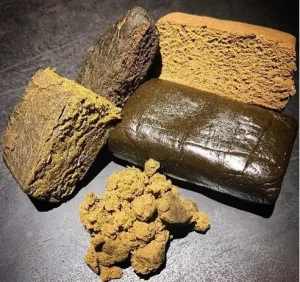
Different hash types display unique melt qualities based on purity and processing.
What “Melt” Really Means
When we talk about melt, we’re describing how well the resin glands — called trichomes — liquefy under heat. The more intact and pure these trichomes are, the better the melt.
Hash that bubbles into a golden puddle when touched with a lighter or placed on a hot surface is considered full-melt hash. It’s made almost entirely from unbroken trichome heads full of cannabinoids and terpenes.
If the hash only softens or leaves behind black residue, it’s half-melt or low-melt, meaning it contains more plant material and fewer pure resin glands.
Melt quality doesn’t just affect looks — it directly impacts flavor, smoothness, and potency. Full-melt burns clean, producing vapor rather than harsh smoke. It tastes richer and more complex, especially with terpene-heavy varieties like Mazar-E-Sharif Hash or Flower of Beqaa Hash.
Trichomes: The Foundation of Melt
Trichomes are tiny, crystal-like resin glands that grow on cannabis flowers. Each one contains cannabinoids (THC, CBD, etc.) and aromatic terpenes. When these glands are carefully separated from the plant and pressed into hash, they can remain mostly intact.
The more pure the trichome content, the better the hash will melt. If the process grinds up too much plant matter, the melt quality drops — leaving behind ash and char instead of clean vapor.
Traditional hand-rubbed or dry-sift methods, like those used for Temple Ball Om Hash, are designed to preserve trichomes without destroying them. When done right, this yields a sticky, oily texture that bubbles evenly and burns clean.
Mechanical or solvent-based methods can also make high-melt products, but they require precise temperature control and fine filtering.
Purity and Filtration
Hash purity refers to how much of the final product is pure resin glands versus other plant matter. Fine-mesh sieving or water-filtration separates trichomes by size — usually measured in microns.
Here’s how it works:
Trichomes range from about 70 to 150 microns in diameter.
The smaller mesh screens (e.g., 73-120 microns) collect the purest heads.
Anything outside that range tends to contain broken stalks and plant debris.
So, a high-quality dry-sift hash made with proper micron separation will melt far better than an unfiltered one pressed from random kief.
Full-melt bubble hash — named for its signature bubbling under flame — is typically made using multiple micron bags in an ice-water bath to collect the cleanest resin glands.
Traditional pressed imports like Afghani Chatral Hash or Moroccan Caramelo Hash may vary in melt quality depending on how finely sieved and filtered the source material was before pressing.
Resin Content and Freshness
Even pure hash can lose melt quality over time. Fresh resin is sticky, oily, and aromatic — it contains active cannabinoids and terpene oils that vaporize smoothly when heated.
As hash ages, these oils oxidize and dry out, turning the texture harder and duller. Old hash can still be potent but won’t bubble the same way.
If you want to preserve melt quality, keep your hash stored in airtight glass jars or humidity-controlled containers like CVaults. Avoid exposing it to heat or sunlight. Proper storage maintains the resin’s moisture and texture, which directly affects its performance when burned or dabbed.
The Role of Terpenes
Terpenes are the aromatic compounds that give cannabis its smell and flavor — and they also influence melt. Certain terpenes are more volatile and burn off faster, while others contribute to smooth vaporization.
Hash rich in terpenes tends to melt more fluidly, producing that glossy, oily effect. This is why aromatic imports like Lebanese Blonde Stamp Hash or Temple Ball Om Hash often bubble beautifully — they’re packed with essential oils preserved through careful hand-rubbing and slow curing.
How Temperature Impacts the Melt
Temperature during production and curing affects how hash melts later on.
If pressed or cured at high heat, hash can lose delicate terpenes and change structure. Excessive heat drives out oils, making it brittle or “chalky.” When that happens, the hash will burn rather than liquefy.
On the other hand, hash produced at lower temperatures retains more oil and pliability. That’s why cold-cured or hand-pressed varieties often perform better on the melt test.
When you smoke or dab, the same rule applies — use low heat to avoid scorching terpenes. Gentle warming allows the resin to bubble and release vapor without turning harsh.
Testing Melt Quality
You can test melt quality in a few simple ways:
The Lighter Test:
Hold a small piece of hash with tweezers and apply a flame just close enough to warm it. Good hash will start bubbling quickly, releasing fragrant smoke without sparking.
The Dab Test:
Place a small amount on a low-temp dab nail or hot knife. Full-melt hash will liquefy into a clean pool with little to no residue.
Visual Clues:
Light blonde to golden color usually indicates refined dry-sift or fresh hand-rubbed resin.
Darker hash can still melt well, especially if it’s oily rather than dry.
A fine white ash after burning often signals purity — it means fewer contaminants were present.
Types of Hash Known for Excellent Melt
While almost any hash can offer a satisfying smoke, certain traditional styles are famous for their clean, bubbling melt:
Temple Ball Hash:
Hand-rubbed resin formed into glossy spheres. The oils inside create one of the smoothest, most aromatic melts on earth. Try Temple Ball Om Hash for an authentic Nepalese-inspired experience.
Lebanese Blonde Hash:
A pressed, lightly aged hash that combines creamy texture with sweet-spicy aroma. Its golden tone and smooth bubble make it a connoisseur favorite — see Lebanese Blonde Stamp Hash.
Mazar-E-Sharif Hash:
Dark, pliable, and resinous with a signature earthy scent. It bubbles evenly and leaves minimal residue, making it one of Afghanistan’s most respected exports — available at The Natural Remedy.
Moroccan Caramelo Hash:
Known for its sandy texture and mild sweetness, Caramelo melts beautifully when lightly heated, creating a balanced body-high and rich aroma.
Why Some Hash Doesn’t Melt
Not every type of hash is made for full-melt performance. Low-melt or pressed commercial hash often contains more plant fiber and fewer pure trichomes.
There’s nothing wrong with that — it just means it was made using less filtration or older material. These hashes tend to burn more like traditional brick resin and produce denser smoke rather than clean vapor.
You’ll often find that dry, crumbly Moroccan hash or heavily pressed Afghan black leans this way. They can still be potent and enjoyable but don’t bubble the same as premium full-melt.
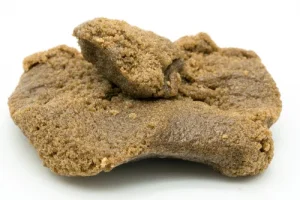
High-quality hash with rich oil content bubbles cleanly when heated.
How to Preserve a Good Melt
If you’ve invested in high-melt hash, a few simple steps can keep it that way:
Store it cool and sealed. Heat and air destroy melt quality.
Avoid handling it too much. Oils from your fingers alter surface texture.
Use low heat when smoking. Gentle heat preserves the terpene oils that help it bubble cleanly.
Rotate stock. Enjoy your freshest hash first; older pieces will naturally dry and lose oil content over time.
If you’re storing several kinds — like Flower of Beqaa Hash and Nirvana Hash — label jars clearly and keep them separated. Different varieties release different oils, and mixing them can dull the individual aromas.
The Bottom Line
Some hash melts better because it’s cleaner, fresher, and richer in resin. The best melts come from well-made products with high trichome purity and balanced curing — not over-processed, overheated, or contaminated material.
When you see that slow bubble and clean vapor, it’s not luck. It’s the result of craftsmanship, from careful sieving and pressing to proper storage and handling.
To experience top-tier melt firsthand, explore the premium import lineup at The Natural Remedy’s Hash Collection — including Lebanese Blonde Stamp, Temple Ball Om, and Mazar-E-Sharif. Each offers its own melt signature, flavor profile, and level of refinement — proof that real quality always shows in the bubble.