Shop at The Natural Remedy
for top shelf BC Buds
If you love the taste and aroma of cannabis trichomes, kief hash is one of the most satisfying—and approachable—concentrates you can make at home where it’s legal to do so. Unlike solvent-based extractions, kief hash is created with mechanical separation and pressure. You’re simply gathering the resin glands (kief) and pressing them into a cohesive form (hash). Done thoughtfully, it’s safe, low-tech, and faithful to the flower’s natural character.
Because you’re not using aggressive heat or chemicals, the result tends to feel close to the original strain’s mood and flavor—just more concentrated.
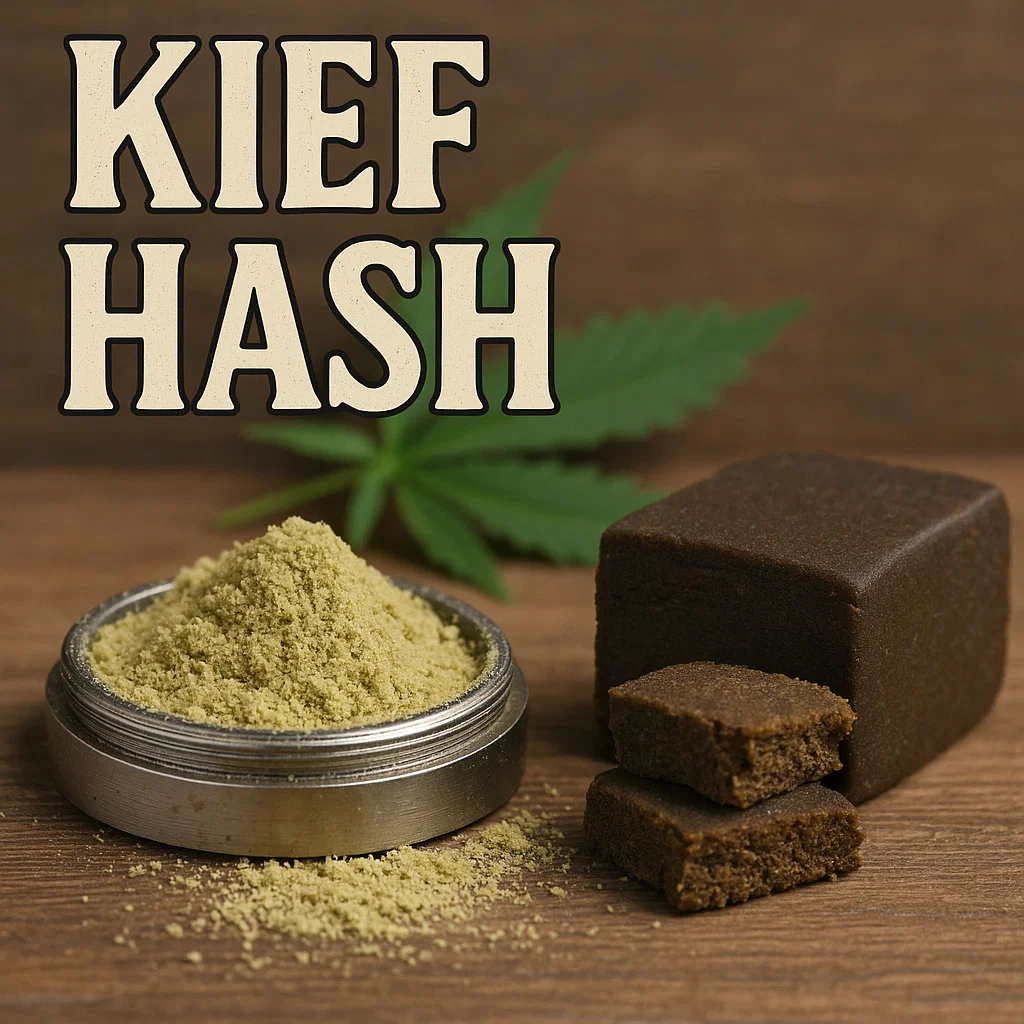
You don’t need a lab. A clean table, steady hands, and a few basics go a long way:
If you’d like to compare your results with professionally made traditional products, browse the Hash category to see how texture and color vary across styles and regions. It’s a great reference point for what “good” looks and feels like.
Dry flower that’s not too brittle and not too moist sifts best. Excess moisture gums up screens; excess dryness can shatter plant matter into dust, contaminating your kief with green particulates. Aim for a comfortably dry feel that still springs back when squeezed. If your storage is variable, keep your flower in an airtight jar and use a small Boveda to stabilize humidity before you sift.
Break the flower into popcorn-sized pieces by hand or with a quick pulse in your grinder. You’re aiming for an even surface area, not powder.
If you already have a small stash of kief from regular use, you can press that right away. For a quick top-up, place your flower in the grinder and take gentle turns. Over-grinding pulverizes plant material and throws chlorophyll into the mix. Tap the grinder to encourage trichomes to fall, then use a small brush to gather the kief. Transfer it onto parchment.
Place a fine screen over your tray. Spread a thin layer of well-dried flower over the screen and gently move it back and forth with a card. Think of polishing, not grating—the goal is to coax off resin heads, not shred material. After a minute or two, lift the screen and scrape the pale golden kief that has sifted onto the tray.
Tips for cleaner kief:
Spread your kief in a thin layer on parchment and take a look under good light. Clean kief ranges from pale blonde to sandy gold with a subtle sparkle. A greenish hue suggests plant matter contamination; it’s still usable, but the flavor will lean “leafy.” You can re-sift this lot through a finer screen or keep it aside for “everyday” hash and reserve your blondest kief for a special-occasion press.
Gather the kief into a pile with your card. At this point you can:
Both are valid and delicious—just different.
Result: a lighter-colored, crumbly hash that breaks into pieces easily and keeps many of the flower’s brighter aromatics.
“Moroccan-style” pressing uses warmth and pressure to agglomerate the resin and encourage a little oxidation.
Result: a darker, more pliable piece that slices cleanly and softens with warmth. You’ll notice richer, deeper aromas—still true to the strain, just more rounded.
Safety note: Keep the bottle sealed and dry. You’re warming resin, not introducing water.
If you have a small screw-type pollen press, load it with kief, tighten firmly, wait a minute, then tighten again. Eject a tidy, travel-friendly coin. Some people warm the metal body slightly with their hands first for a touch more cohesion.
Fresh hash is wonderful, and so is hash that’s been given time to settle. Wrap your piece in parchment and tuck it into a small jar with a tiny humidity pack like Boveda. Store the jar in a cool, dark spot. Over one to four weeks, you’ll often notice the aroma mellow and the cut surface darken slightly as the outer layer oxidizes. The texture may become more uniform and the flavor rounder. Don’t over-humidify—hash can sponge moisture; you want just enough to prevent overdrying.
My kief looks green.
You likely pushed plant matter through the screen. Re-sift gently on a finer screen, or accept that this batch is “everyday” hash. Next time, work cooler and shorter. Many people chill their material briefly to make resin less sticky and plant fiber less crumbly.
It won’t stick together.
Either the resin is very dry/old or you’re under-pressing. Warm the packet gently with your hands before pressing, or try a brief warm-press cycle with the hot water bottle. A pollen press also adds force in a small footprint.
It’s too sticky or oily.
Some strains produce very soft resin. Lightly cool the packet in the fridge between cycles. Use parchment rather than plastic wrap so the hash doesn’t cling. A short cure in a jar (with minimal humidity control) often improves handling.
The flavor seems muted.
Overheating during warm-pressing can dull the top notes. Next time, reduce heat and cycles. Cold-press preserves the brightest aromatics but yields a more crumbly texture.
Yield seems low.
Yields vary with cultivar, grow conditions, and how aggressively you sift. The first minute of sifting is the cleanest; later minutes add weight but also add contaminant. Decide if you want quality or quantity, and stop when the kief looks right to you.
Hash is food-like in the sense that it’s organic and can be spoiled by contamination. Wash and dry your hands before handling, and keep your surfaces clean. Store finished hash in a small, airtight jar in a cool, dark drawer. For longer storage, use parchment to prevent sticking and add a small Boveda to stabilize humidity. Avoid heat and sunlight—both accelerate terpene loss and oxidation.
Browsing the Hash section can give you a sense of the many textures and colors that result from these small process choices. Don’t chase perfection—hash is a craft, and learning is part of the pleasure.
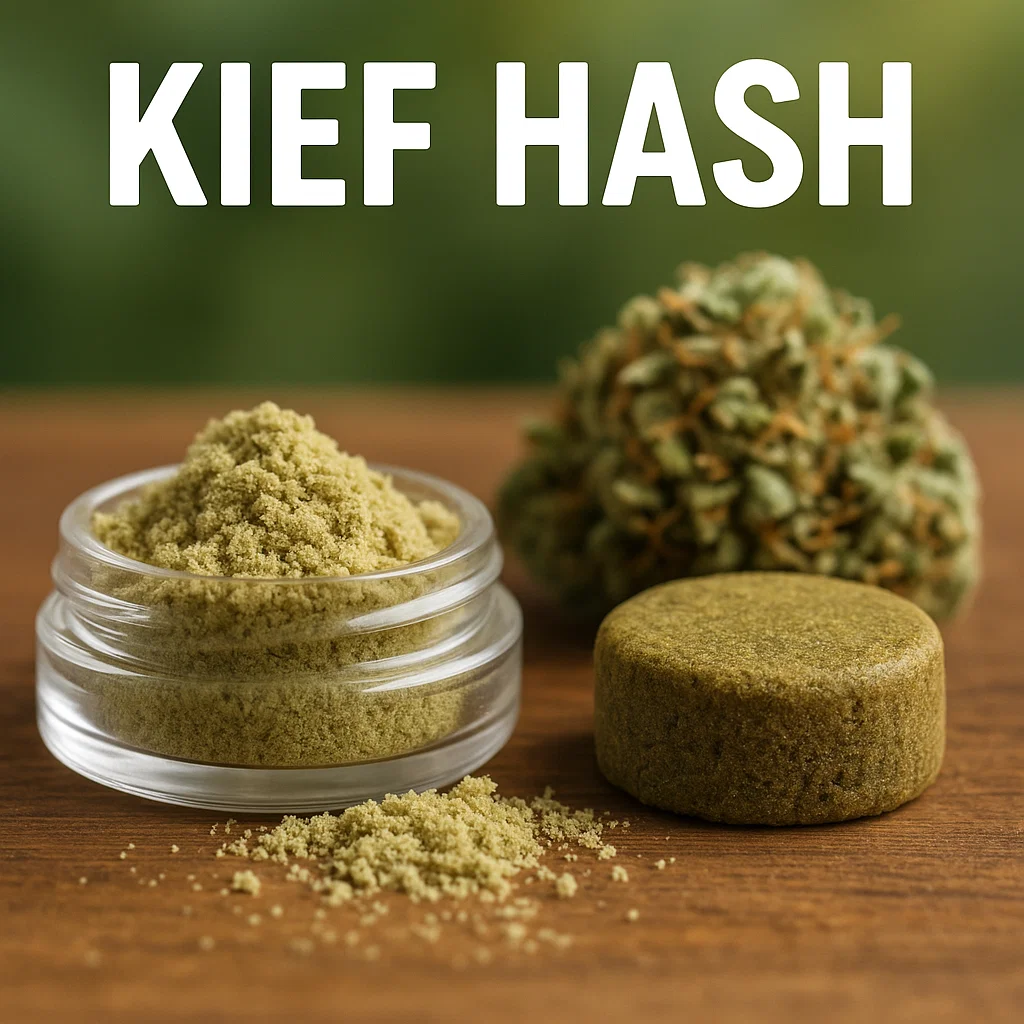
That’s it. No solvents, no drama—just resin, patience, and care.
Making kief hash at home is less about equipment and more about touch. Dry, clean flower; gentle sifting; thoughtful pressing; modest curing. Each step gives you a choice between brighter, crumbly coins (cold-pressed) and deeper, pliable pucks (warm-pressed). Both reflect the original cultivar in different ways, and both reward a light hand.
If you’re starting from zero, assemble a small kit with a grinder, a tidy work surface, parchment, and humidity control. A couple of optional upgrades—fine screens and a simple pollen press—streamline the routine as you go. For inspiration and benchmarks, check out the styles in the Hash section; for smooth sessions after pressing, roll with TNR Rolling Papers 1¼ or explore flavor-pairing and precise dosing with Oils.
Above all, be patient. The first minute of sifting, the first press, the first cure—each tiny decision changes the personality of your hash. Keep notes, adjust one variable at a time, and enjoy the process as much as the product.
No account yet?
Create an Account