

Vaping vs. Smoking Cannabis
Vaping vs. Smoking Cannabis — Which is Actually Better?
For decades, consuming cannabis meant one thing: combustion. Whether rolled in a joint, packed into a glass pipe, or pulled through a water bong, applying a direct flame to dry flower was the undisputed standard. Today, the landscape has radically shifted. Vaporization—both through dry herb vaporizers and concentrated vape pens—has captured a massive segment of the market.
This shift has sparked an ongoing debate among both medical patients and recreational connoisseurs: Is vaping actually better than smoking?
The answer depends entirely on what you prioritize as a consumer. If you are chasing raw efficiency, complex flavor profiles, and respiratory harm reduction, the data heavily favors vaporization. However, if you are looking for the immediate, heavy-hitting, and tactile ritual of traditional cannabis culture, smoking remains king.
Here is the definitive breakdown of how vaping compares to smoking across health, efficiency, flavor, and the overall experience.
1. The Mechanics: Combustion vs. Vaporization
To understand the difference in the experience, you must understand the physics of how the cannabinoids (like THC and CBD) and terpenes are delivered to your system.
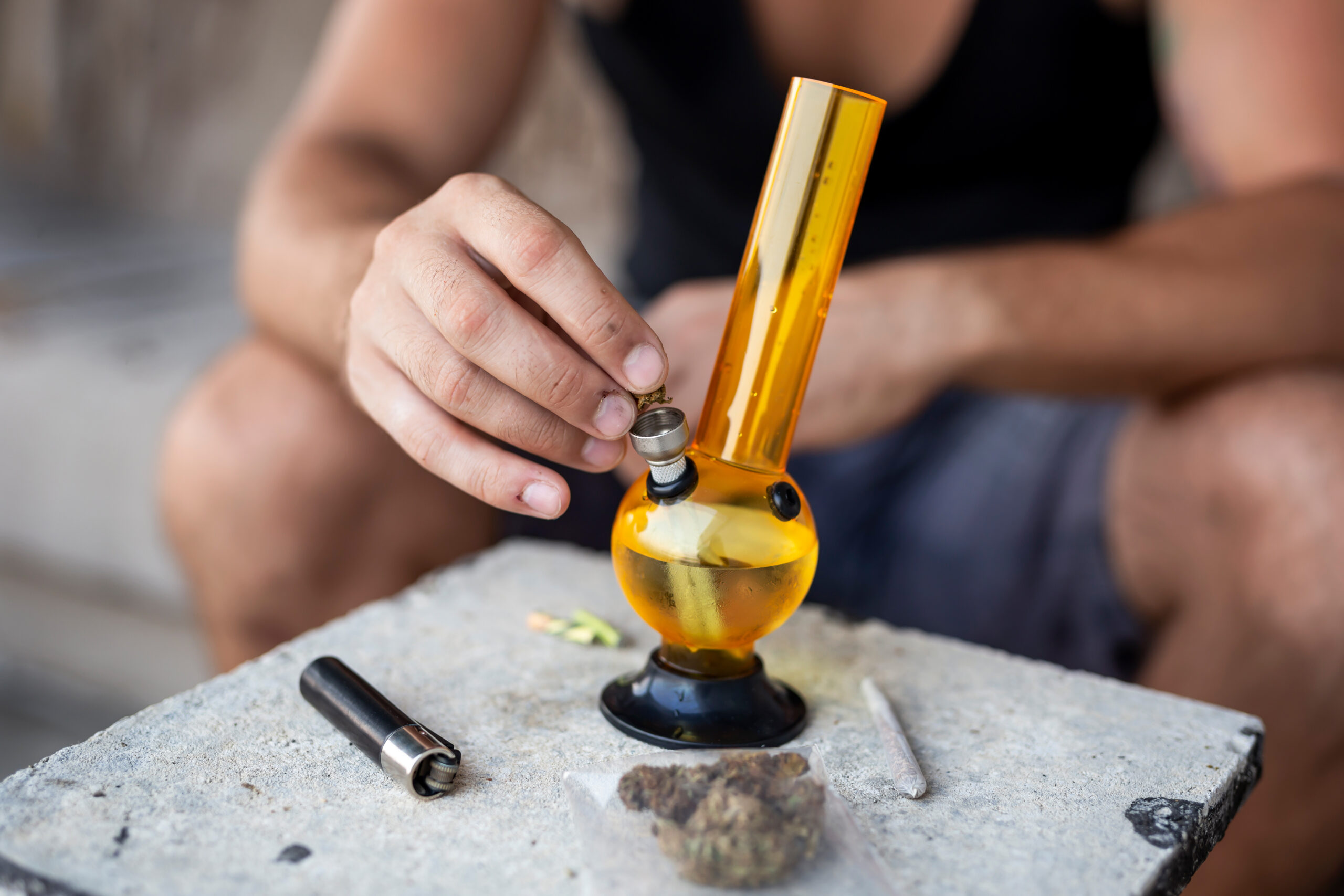
Smoking (Combustion): When you ignite cannabis with a lighter, the cherry of a joint or bowl burns at temperatures exceeding 450°C to 900°C (842°F to 1650°F). This extreme heat forcefully breaks down the chemical bonds of the plant material, turning the solid organic matter into smoke, ash, and a variety of byproducts.
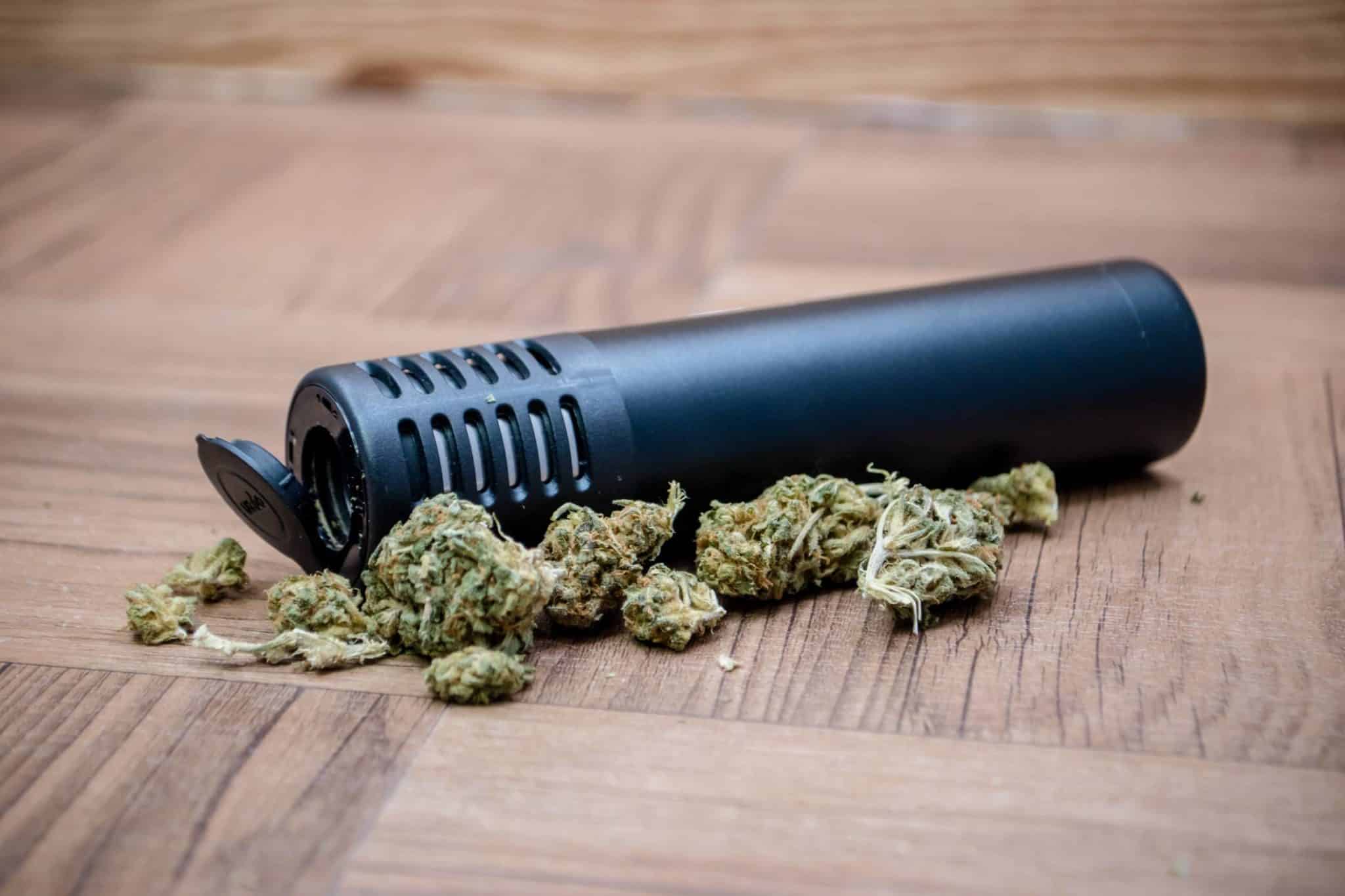
Vaping (Vaporization): Vaporizers act like miniature ovens. Instead of burning the plant, they heat the cannabis (or extract) to a precise temperature—typically between 160°C and 220°C (320°F to 428°F). This temperature is hot enough to boil the essential oils, cannabinoids, and terpenes off the plant material, turning them into a fine mist or vapor, while leaving the base plant fiber completely intact and unburned.
2. Health and Respiratory Impact
While cannabis smoke does not contain the same deadly chemical additives as commercial tobacco, inhaling combusted organic matter of any kind introduces toxins into the lungs.
When cannabis is burned, the combustion process generates thousands of new chemicals, including heavy tars, carbon monoxide, and known carcinogens like benzene. This is what causes the heavy coughing, phlegm production, and lung irritation associated with chronic smoking.
Because vaporization never reaches the point of combustion, it produces zero smoke, zero ash, and zero tar. Multiple studies have shown that users who switch from smoking to vaping report a significant decrease in respiratory symptoms. While inhaling anything other than oxygen carries some level of risk, vaping is universally recognized by the medical community as a significantly less harmful delivery method.
3. Flavor and Terpene Preservation
If you are spending premium prices on craft AAAA flower, flavor matters. Cannabis gets its unique aromas and flavors from terpenes—fragile, volatile oils that degrade rapidly under high heat.
When you smoke a joint, the extreme heat of the lighter instantly destroys a massive percentage of these terpenes before they ever reach your palate. This is why the last half of a joint often tastes like harsh, burnt plant matter rather than the bright citrus or heavy gas you smelled in the jar.
Vaporization allows for temperature control. Because terpenes boil at lower temperatures than THC, you can dial in a vaporizer to specifically target flavor compounds. Vaping provides an incredibly clean, complex, and unadulterated flavor profile from the first draw to the last. For the “flavor chaser,” vaping is unquestionably superior.
4. Extraction Efficiency and ROI
Smoking is inherently wasteful. When you apply a flame to a bowl, the “sidestream smoke” (the smoke rolling off the cherry into the air) wastes active compounds. Furthermore, the extreme heat actually burns off and destroys up to 50% of the cannabinoids before they can be inhaled.
Vaporizers, on the other hand, are highly efficient extraction machines. Because they gently boil the oils without destroying them, they capture roughly 80% to 90% of the active cannabinoids.
From a financial standpoint, vaping provides a vastly superior Return on Investment (ROI). You can achieve the same level of psychoactive effects using roughly half the amount of flower in a vaporizer compared to rolling a joint.
Cannabinoid Extraction Analysis: Vaping vs. Smoking
| Metric | Vaporization (160°C – 220°C) | Combustion (450°C – 900°C) |
| Extraction Efficiency | 80% – 90% (Cannabinoids preserved) | 30% – 40% (Significant sidestream loss) |
| Heat Destruction | Minimal (Compounds boil) | Up to 50% of THC destroyed by direct flame |
| Terpene Preservation | High (Dialed to specific boiling points) | Low (Most volatile terpenes burn off instantly) |
| Toxic Byproducts | Near Zero (No ash, tar, or carbon monoxide) | High (Creates tar, benzene, carbon monoxide) |
| Financial ROI | High (Requires less product for same effect) | Low (More product wasted to heat and air) |
Key Data Takeaways:
The Efficiency Gap: Combustion instantly destroys up to 50% of active cannabinoids before they enter your system. Vaporization gently boils the trichomes, yielding an 80% to 90% extraction rate.
The Terpene Loss: Because essential flavor oils (terpenes) are highly volatile, the 900°C heat of a lighter obliterates them. Vaping at controlled temperatures (around 180°C) preserves these compounds, delivering the true flavor profile of the strain.
The Byproduct Spike: Passing the 230°C threshold initiates combustion, which is the exact point where tar, carbon monoxide, and carcinogens are introduced into the lungs. Vaping keeps the plant material entirely below this threshold.
5. The High: How the Effects Differ
Perhaps the most subjective difference between the two methods is the nature of the high.
The Vaping High: Users generally describe the high from a vaporizer as “cleaner,” more cerebral, and more functional. Because you are not inhaling carbon monoxide or the sedative byproducts of combustion (like CBN, which is created when THC degrades under high heat), the experience is less likely to result in heavy “couch-lock” or brain fog. It is a creeping, uplifting high.
The Smoking High: Smoking provides an immediate, heavy rush. The combination of rapid THC absorption, minor oxygen deprivation, and carbon monoxide creates a heavy, stoney, and sedating effect that many veteran users prefer. For some, the clean high of a vaporizer feels “incomplete” compared to the heavy body-stone of a traditional bong hit.
The Verdict: Which is Better?
There is no universal winner; it comes down to what you value as a consumer.
You should vape if: You are health-conscious, you want to stretch your stash further to save money, you use cannabis during the day and need to remain functional, or you want to taste the full terpene profile of high-end craft flower.
You should smoke if: You prefer a heavier, more sedating high, you enjoy the tactile ritual of rolling, or you do not want to invest heavily in expensive electronic hardware.
Ultimately, premium cannabis provides a premium experience regardless of the delivery method. Whether you are packing a heavy bowl of legacy hash, rolling a joint of AAAA craft flower, or loading a pure live resin cart into your vape pen, prioritize clean, flushed, and properly cured products to ensure the best possible session.